

 Media365
US warehouse retailer Sam’s Club has gained traction among Chinese shoppers by strengthening localisation and launching more China-tailored products, continuing to expand even as many foreign retailers have scaled back their mainland operations or exited the market.
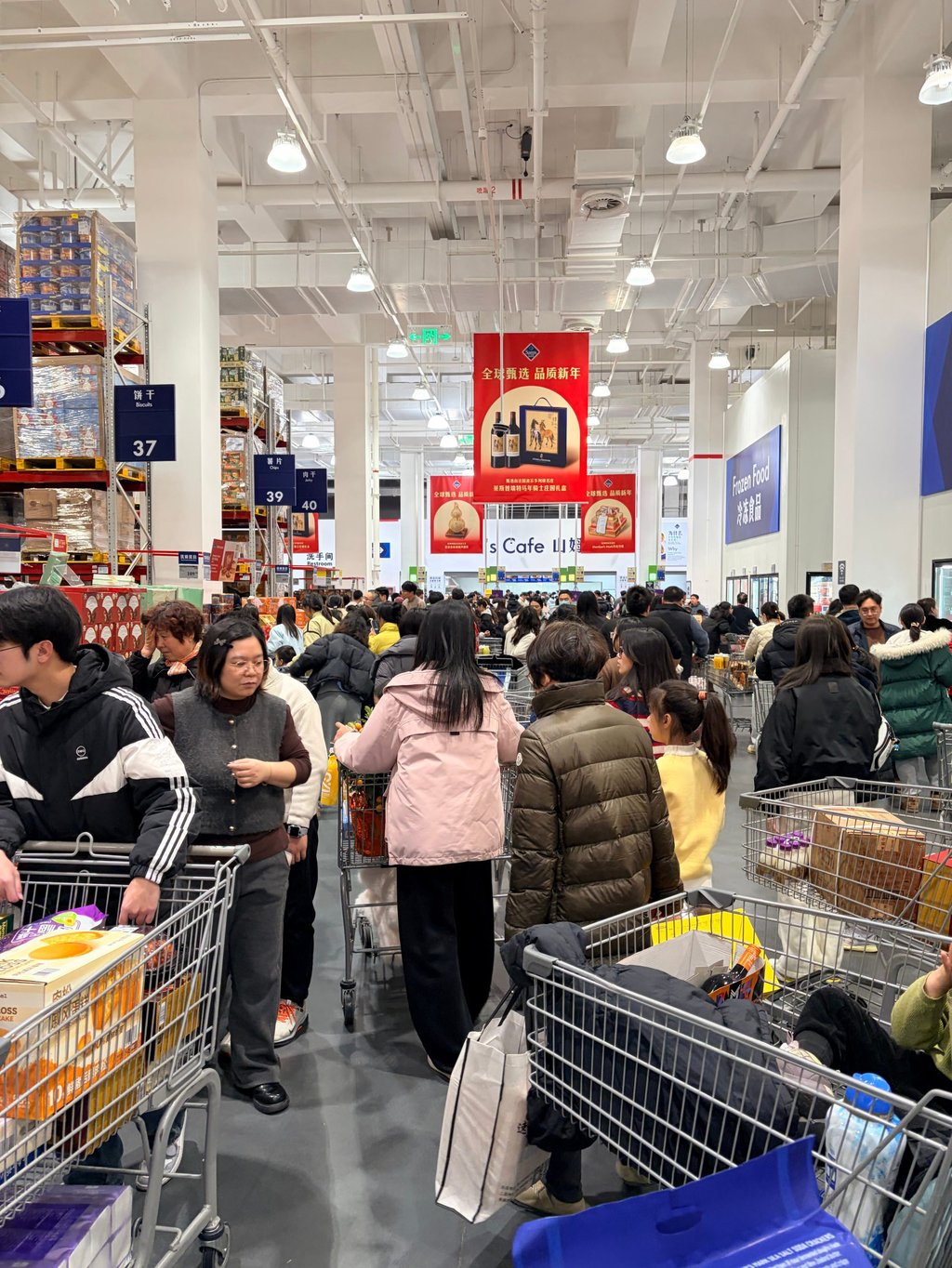
Instead of replicating its US model, Walmart-owned Sam’s Club has introduced products catering to local tastes, including copper gourd ornaments, ginseng and some traditional food items in the days leading up to the Lunar New Year holiday. Its stores have seen robust foot traffic, with some gift-box varieties such as nuts selling out.
Sam’s Club has also adjusted the packaging size of many Member’s Mark private-label products. For example, its roughly 1kg American-style steak has been reduced to between 450 grams and 800 grams to suit the living and storage conditions of Chinese households.
“Sam’s Club has managed to expand in China, largely because it has tapped into the rising demand for quality consumption among middle-class households,” said Fu Yifu, a special researcher at Su Merchants Bank in Nanjing, eastern Jiangsu province.
“Its localisation strategy has been tailored to Chinese consumers’ preferences, creating a competitive edge, while its instant delivery service addresses the pain point of bulk buying for immediate use.”


