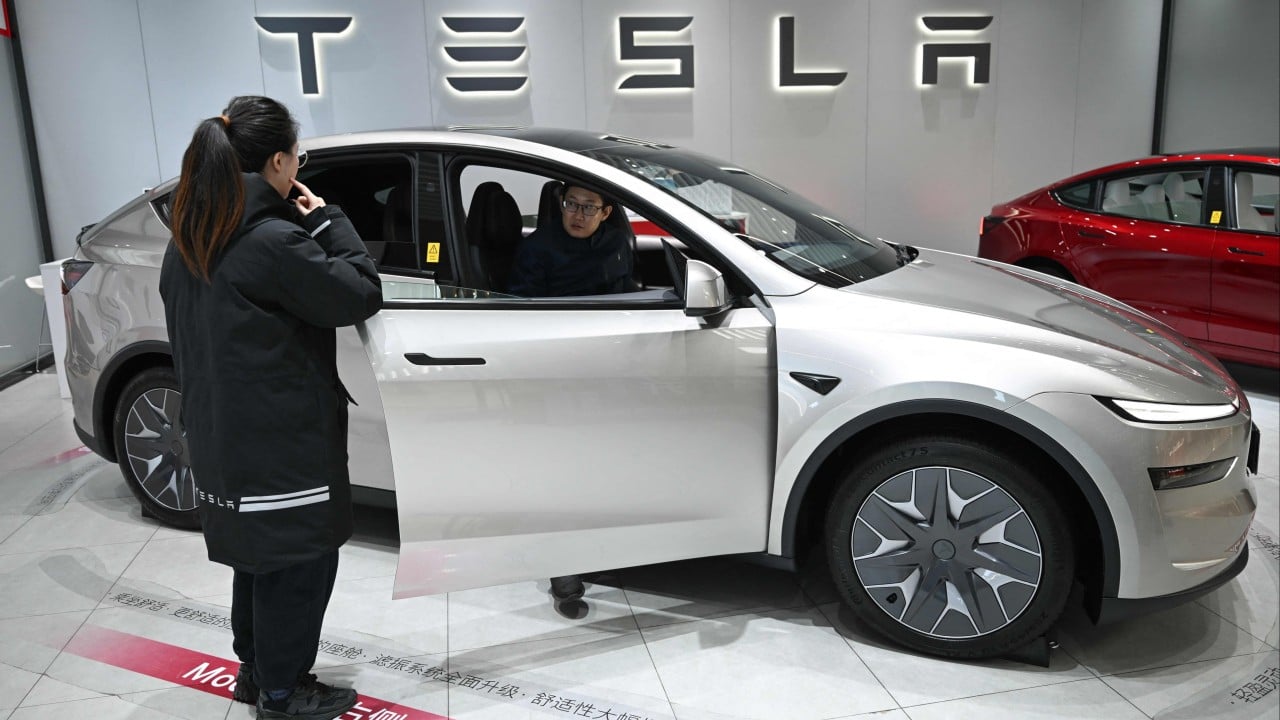
Tesla, Xiaomi vie for Chinese EV buyers with cheaper, longer loans


Tesla has spearheaded a new round of low-interest, long-term loans to spur electric vehicle (EV) sales in mainland China, prompting domestic rivals such as Nio and Xpeng to follow suit in a cutthroat market grappling with raw-material inflation.
However, fresh competition in car financing – while better than another bruising discount war – may not be enough to shore up deliveries as consumers refrain from buying cars due to reduced government incentives.

“All EV makers are facing a dilemma this year as rising raw-material costs eat into their profit margin, which prevents them from offering steep price cuts even though overall market demand has turned weak,” said Chen Jinzhu, CEO of consultancy Shanghai Mingliang Auto Service. “The new incentives show Tesla and other premium EV makers’ eagerness to lure more buyers.”

In January, Tesla China said it would charge annualised interest of 1.36 per cent on a seven-year car loan, enabling buyers to pay less than 2,000 yuan (US$288) a month to own a Shanghai-made Model 3 or Model Y after a down payment of about 80,000 yuan.

It was the first time that an automotive firm in mainland China granted a seven-year loan to car buyers, the previous maximum being five years, and the rate was lower than the normal 3 per cent for consumption loans.

Several leading Chinese premium EV builders, from Xpeng to Xiaomi, took swift action last month, offering similar financing incentives despite growing expectations for large price cuts.
  • Related Posts

    Boris Johnson govt wasted £10 bn on PPE procurement, finds probe – Firstpost

    The UK Covid-19 Inquiry has concluded that the UK government and devolved administrations purchased approximately £14.9 billion of personal protective equipment (PPE), of which almost £10 billion was wasted, while…

    Continue reading
    Why China is betting on electric taxis to hedge against Hormuz oil risks – Firstpost

    China’s aggressive shift towards electric taxis is emerging as an unexpected strategic hedge against oil market disruptions triggered by geopolitical tensions around the Strait of Hormuz, one of the world’s…

    Continue reading

    Leave a Reply

    Your email address will not be published. Required fields are marked *