

 Media365
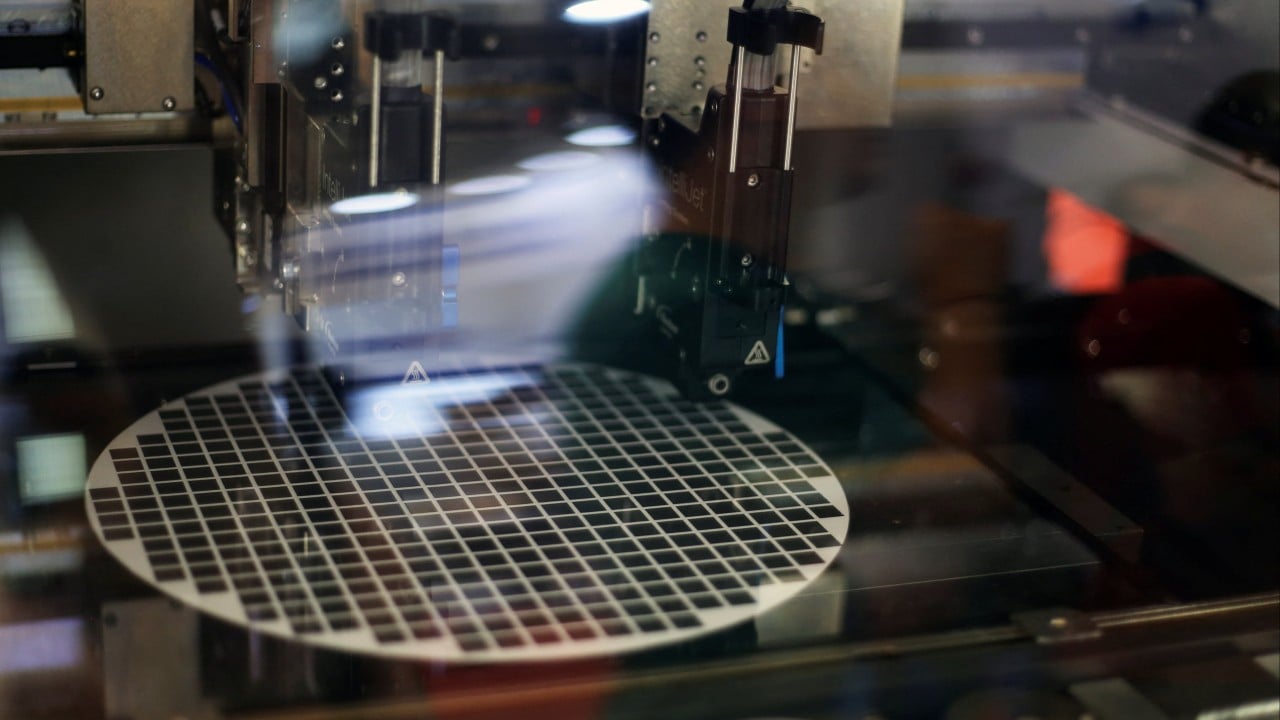
The Shanghai Integrated Circuit Industry Investment Fund, backed by the municipal government, has expanded one of its three funds more than 11-fold to pump more capital into the financial hub’s chip firms as part of China’s broader pursuit of tech self-reliance.
The third phase of the fund, also known as Shanghai IC Fund III, recently increased its registered capital by 5.5 billion yuan (US$794 million) to 6 billion yuan, according to business registry database Aiqicha.
It added two new equity investors, namely Shanghai State-owned Capital Investment Leading IC Private Equity Investment Fund, which is set to inject 4.5 billion yuan, and Pudong Venture Capital, owned by the district government of Pudong, which is contributing 500 million yuan.
The fund may grow even larger, given that the first and second phases, established in 2016 and 2020, respectively, each had registered capital of 24 billion yuan, Aiqicha data showed.
The Shanghai IC Fund has invested in more than 20 local chip companies, including wafer foundries Semiconductor Manufacturing International Corp (SMIC) and HLMC, which is a subsidiary of Hua Hong Group, as well as ACM Research Shanghai, a semiconductor cleaning tool manufacturer.
The fund is one in a series set up by local Chinese governments to strengthen their home-grown chip industries. The Beijing and Shenzhen governments also operate their own funds focused on long-term investments to address tough issues in the industry.


