

 Media365
Standard Chartered’s first-quarter profit rose 19 per cent as it achieved strong wealth-management performance, which was offset by lower interest rates and rising bad debt provisions due to the Middle East conflicts.
Net profit increased 19 per cent year on year in the first three months of 2026 to US$1.9 billion, or 74.2 US cents per share, from US$1.59 billion a year earlier, the bank said on Thursday. The result was better than analysts’ estimates of US$1.33 billion.
The bank’s pre-tax profit rose 17 per cent to a record US$2.5 billion in the quarter, compared with US$2.28 billion a year earlier and above market estimates of US$2.14 billion.
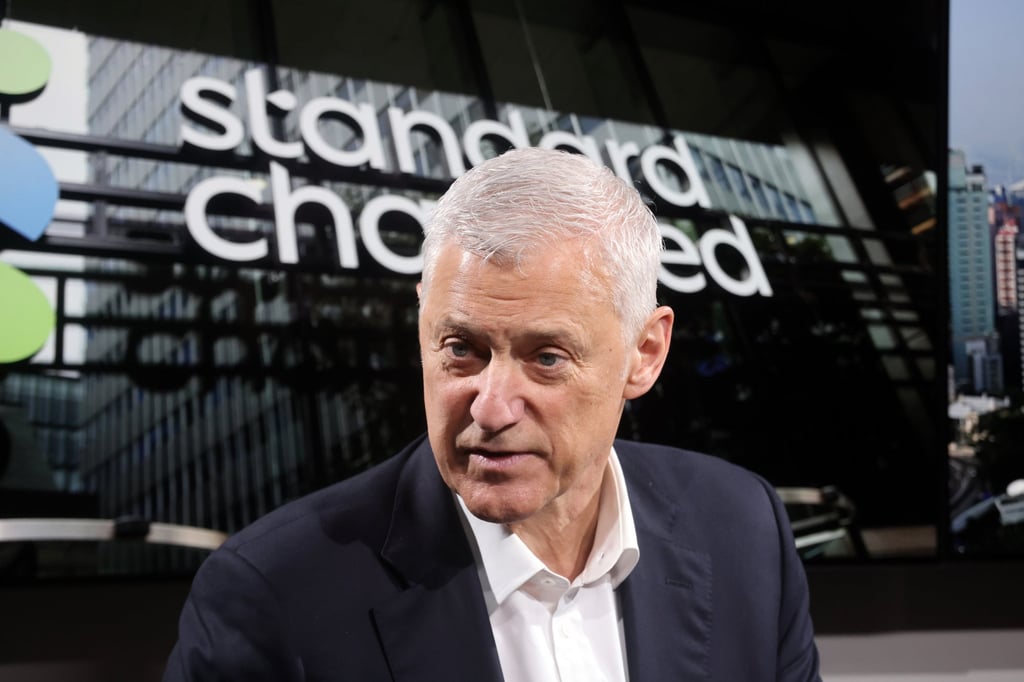
“Despite ongoing geopolitical tensions and global economic uncertainty, our advantaged market presence and disciplined risk management give us confidence in our ability to perform,” CEO Bill Winters said in an earnings statement to the Hong Kong stock exchange.
The bank recorded credit impairment charges of US$296 million during the quarter, up 36 per cent from a year earlier. The bad debts were equivalent to an annualised loan-loss rate of 32 basis points, including a precautionary management overlay of US$190 million reflecting uncertainty related to the Middle East conflict.


