

 Media365
In northeast Illinois, the Greenbelt Forest Preserve covers 607 acres between North Chicago and Waukegan. Invasive plants, including teasel, Canada thistle, canary grass, buckthorn and common reed, have displaced native vegetation there. According to the US Fish and Wildlife Service, working with the Lake County Forest Preserve District and the Great Lakes Restoration Initiative, the agency’s Coastal Program has restored 43 acres along the headwaters of the Skokie River. Volunteers, including a local Youth Conservation Corps, contributed more than 2,400 hours, and the cleared land was replanted with more than 1,100 pounds of native seed and nearly 9,000 native plant plugs.
How did Illinois restore 43 acres of wetland habitat
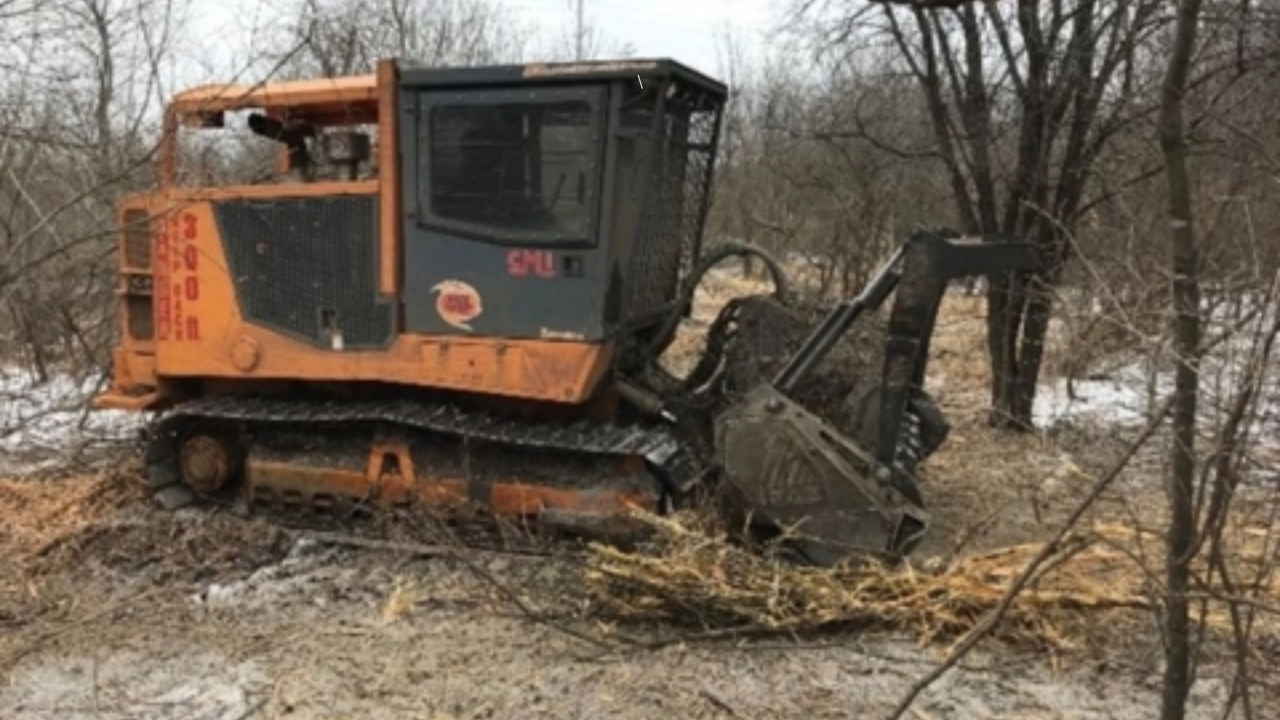
Its Coastal Program is working with the Lake County Forest Preserve District and the Great Lakes Restoration Initiative (GLRI). Their efforts recently restored 43 acres of wetland and surrounding upland areas along the headwaters of the Skokie River.The relationship between the Coastal Program and the District as mutually beneficial and more than a decade in the making. It states that this work has resulted in the restoration of over 195 acres of habitat at Greenbelt Forest Preserve. The latest project, the agency says, focused on removing invasive plants that had displaced native vegetation.
How did volunteers help restore 43 acres in Illinois
Funding from the Coastal Program and GLRI allowed the District to support staff and coordinate volunteers. The agency reports that the 43 acres were cleared of invasive plant species and then replanted with more than 1,100 pounds of native seed and nearly 9,000 native plant plugs.The FWS states that volunteers, including a local Youth Conservation Corps, contributed more than 2,400 hours to the work, alongside District staff and contractors. It adds that the District also hosted monthly volunteer workdays to engage the local community and teach participants how to identify and remove invasive plants. The agency says these opportunities promote public participation in protecting and managing rare native plant and animal communities.
PC: US Fish and Wildlife Service
How will Illinois wetland restoration help endangered species
The removal of invasive plants and restoration of native ones will improve habitat for monarch butterflies, eastern prairie fringed orchids and rusty patched bumble bees. It also names migratory birds that will benefit, including the blue-winged warbler, marsh wren and willow flycatcher. The work will also improve the water quality of the Skokie River, which connects to the Chicago River and the Great Lakes.The FWS reports that a 2024 survey documented a new occurrence of the federally endangered rusty patched bumble bee in the project area. The agency states that, with continued GLRI support, the Coastal Program will keep working with the Lake County Forest Preserve District and local communities to maintain and protect the natural ecosystem and public recreation area. The story was edited by Chris Darnell.


