

 Media365
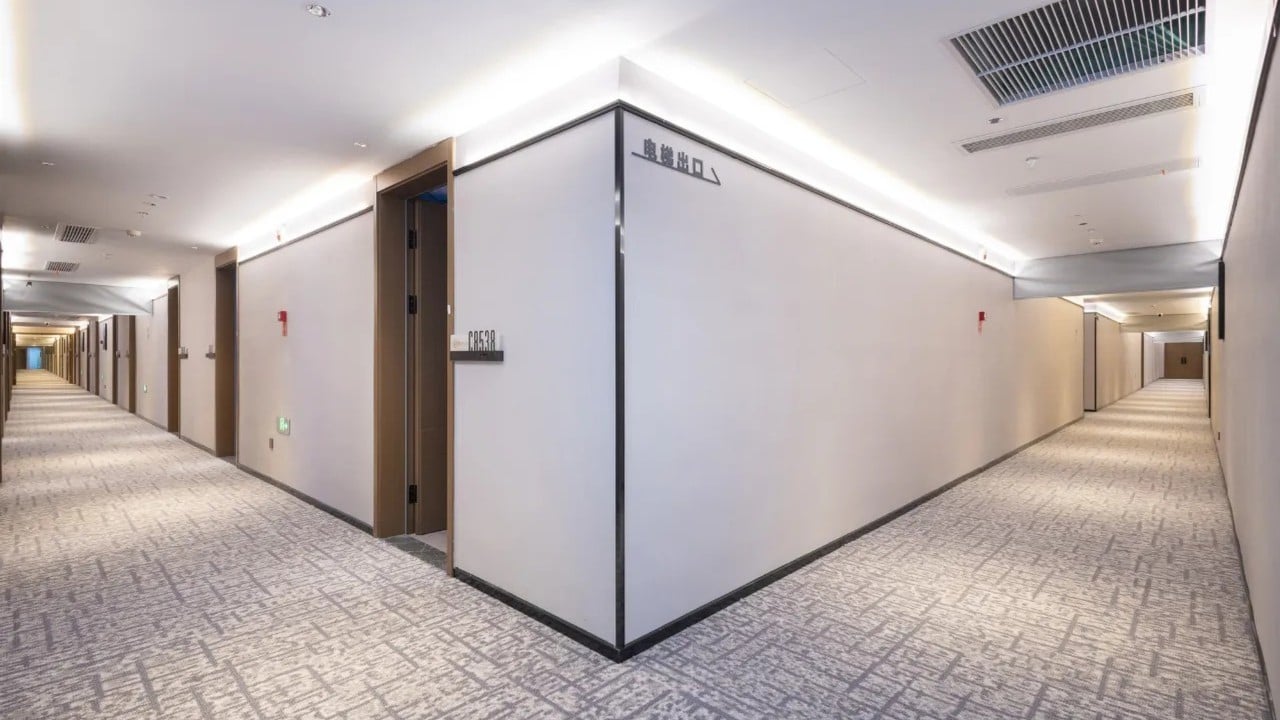
More economy and mid-range hotel operators in China are leasing office buildings for conversion to guest accommodation, and such flexible, mixed-use approaches are expected to increase amid a continued weakening of the office market.
In some Chinese cities, the practice of multiple hotel brands co-leasing separate floors within a single building has become more prevalent, fuelled by interest from both property owners and hotel operators.
In Hangzhou, the capital of eastern China’s Zhejiang province, a building at West Lake-adjacent Yongjin Plaza now houses some 10 hotels. These include Home Inn and Home Inn Plus – part of the economy chain under Shanghai-headquartered BTG Hotel (Group) – as well as a mix of smaller, lesser-known hotel brands and hostels.
They lease different floors alongside diverse businesses like restaurants, photography studios and second-hand luxury stores. Three of the hotels share a ground-floor reception area.
“Hotel operators are seeking lower-cost, well-located space, and office landlords are looking to reduce vacancy,” said James Macdonald, head of research for China at Savills, a property consultancy. “This trend is most common in grade B office assets in good locations, especially slightly older buildings where leasing to traditional office tenants has become more challenging.”
Macdonald said it was natural for building functions to adapt to changing economic structures, working patterns and urban needs, and the trend could even help stimulate the market.


