

 Media365
The Hang Seng Index declined 2.2 per cent to 26,775.57 at the close of trading, the biggest drop since November 21. It added to a 2.1 per cent loss recorded in the previous session. The Hang Seng Tech Index dropped 3.4 per cent. On the mainland, the CSI 300 Index lost 2.1 per cent and the Shanghai Composite Index fell 2.5 per cent.
Metals miners sank after the Shanghai Gold Exchange raised margin requirements and adjusted daily price limits for silver deferred contracts. Zijin Mining slumped 5.6 per cent to HK$39.56, and aluminium producer China Hongqiao Group fell 3.5 per cent to HK$34.86.
Tencent Holdings slipped 1.2 per cent to HK$598.50 after launching a 1 billion yuan (US$144 million) red-envelope campaign for its AI application Yuanbao on Sunday. Electric-vehicle maker BYD fell 6.9 per cent to HK$91 after reporting a 30 per cent drop in January sales.
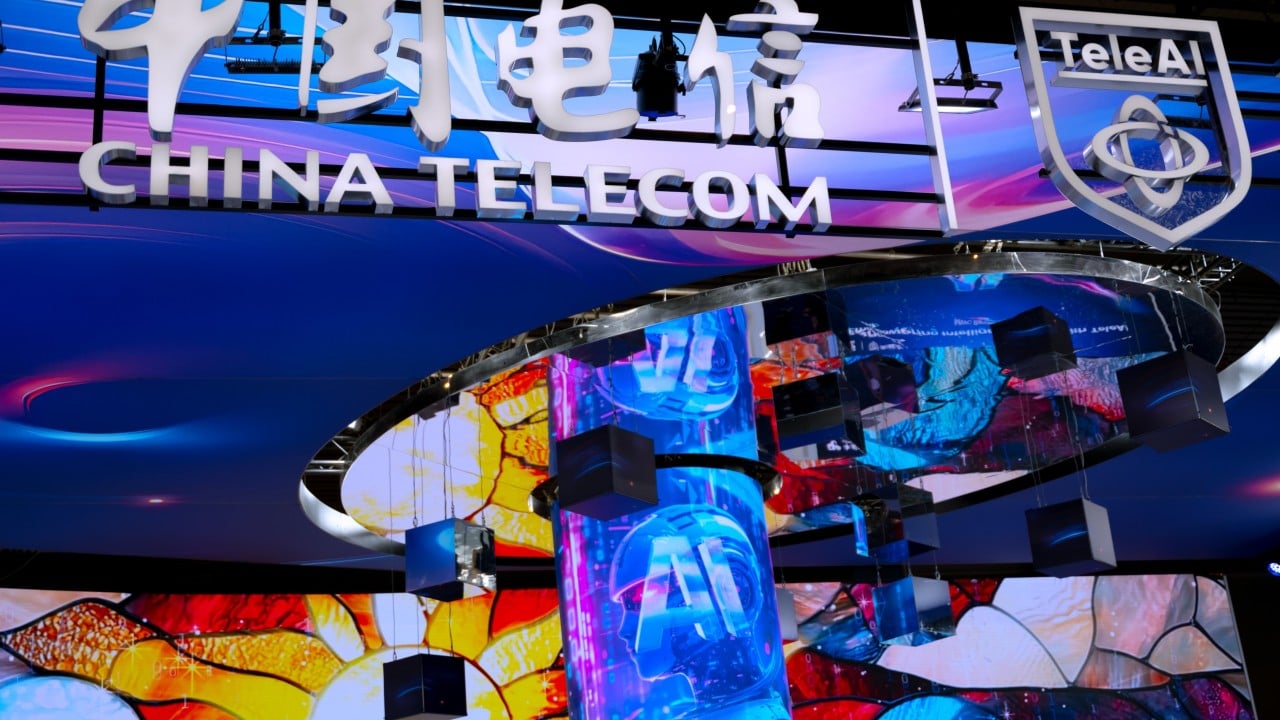
Telecommunications firms dropped after Chinese authorities raised the value-added tax rate on mobile data, messaging and broadband services to 9 per cent from 6 per cent, denting profit expectations. China Unicom Hong Kong slumped 6.3 per cent to HK$7.45, and China Telecom declined 5 per cent to HK$5.11, and China Mobile lost 2.3 per cent to HK$78.


