

 Media365
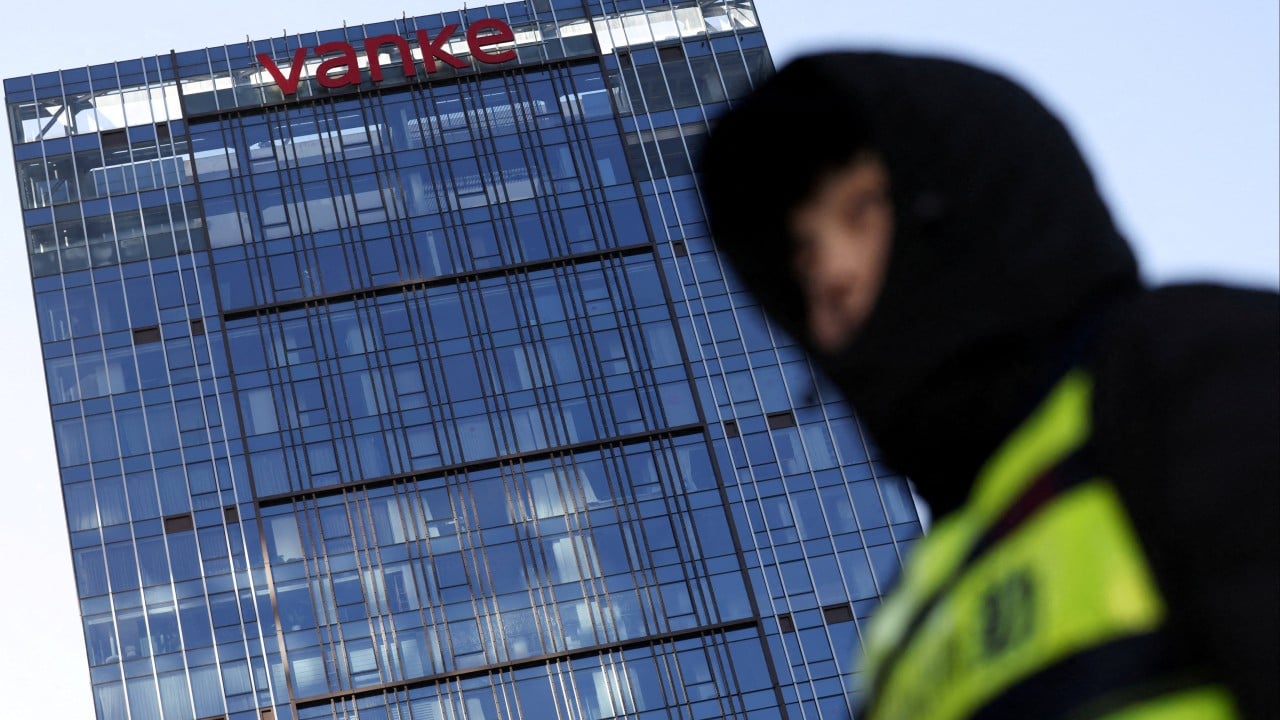
Distressed Chinese property developer Vanke’s potential debt restructuring constitutes a one-off, technical default, and was not likely to result in contagion effects, according to an HSBC report.
The leading mainland developer before it got caught up in the property crisis, Vanke has not yet registered a material default on its domestic bonds. However, two of its key medium-term notes have entered grace periods, and S&P downgraded the company’s long-term issuer credit rating from “CCC-” to “SD” (selective default) in late December.
Of the two medium-term notes, a 2 billion yuan (US$287 million) note has a grace period until January 28, and a 3.7 billion yuan note has a grace period until February 10, according to filings with the Shanghai Clearing House.
“The long-standing overhang is clearing,” said Michelle Kwok, head of Asia real estate and Hong Kong equity research at HSBC, in the report. “While we maintain our view that a potential default could cause irreversible damage to Vanke’s credit profile, we expect the ripple effects in 2026 to be contained, unlike the systemic shocks in 2021.”
Vanke had a diminished footprint, as its market share had shrunk from 3.4 per cent in 2021 to 1.7 per cent in 2025, and its ageing land bank was not comparable to those of quality, state-owned enterprises, Kwok added.
“Even an aggressive price cut would pose limited downside risks to key developers,” she said.
In addition, Vanke’s completion risks had been “largely mitigated”, as the peak of the uncompleted-project crisis had passed and most distressed developers had largely delivered their projects, the report said.


