

 Media365
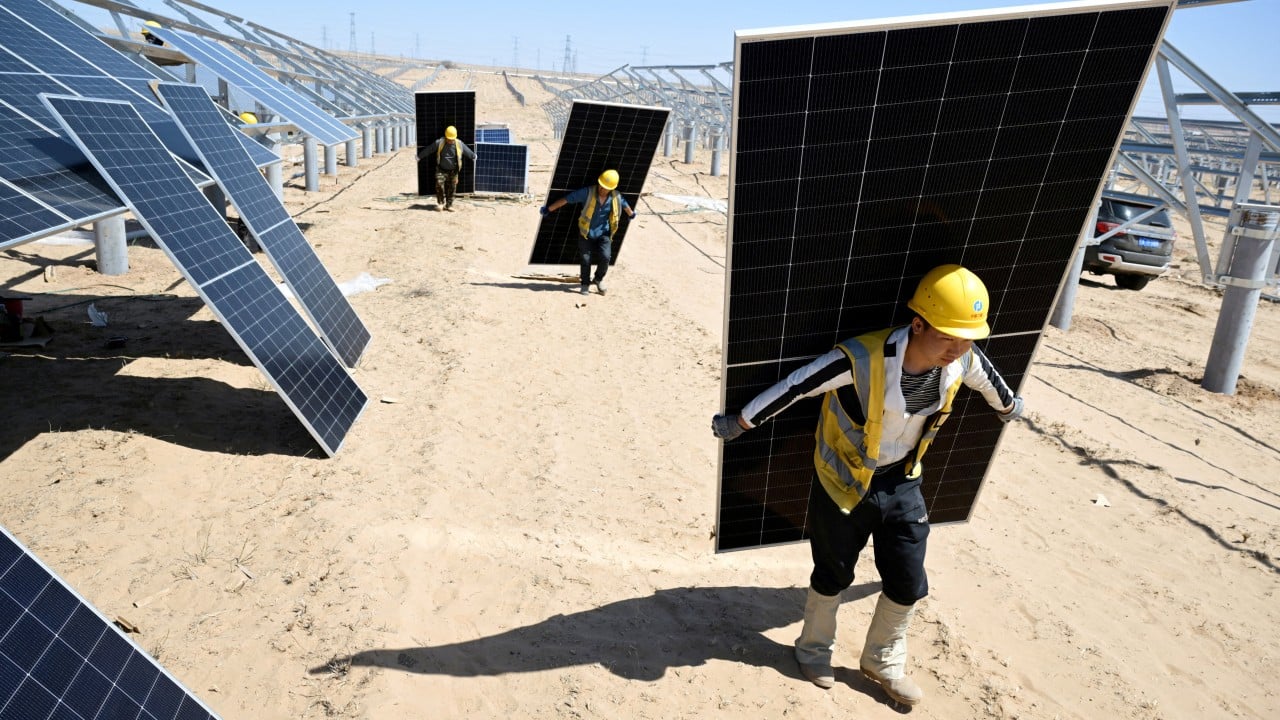
China’s efforts to rein in cutthroat price wars in the solar industry have had the unintended result of creating risks of alleged price rigging, highlighting what analysts describe as an “uneasy balance” between the government’s anti-involution campaign and anti-monopoly policies.
But a turning point came last week when the country’s top market regulator reportedly summoned the China Photovoltaic Industry Association (CPIA) and six polysilicon producers to a meeting in Beijing to discuss alleged monopolistic practices in the industry, such as price rigging.
The State Administration for Market Regulation said it had received multiple complaints since July alleging that some firms were taking advantage of measures purportedly introduced to curb price wars – such as the creation of industry platforms to balance supply and demand – to engage in potentially monopolistic behaviour.
“In practice, this amounted to controlling output and sales volumes and carving up market allocation by capital contribution, squeezing downstream margins,” the regulator said, adding that companies should refrain from agreeing on capacity levels, utilisation rates, output, sales volumes or prices.


