

 Media365
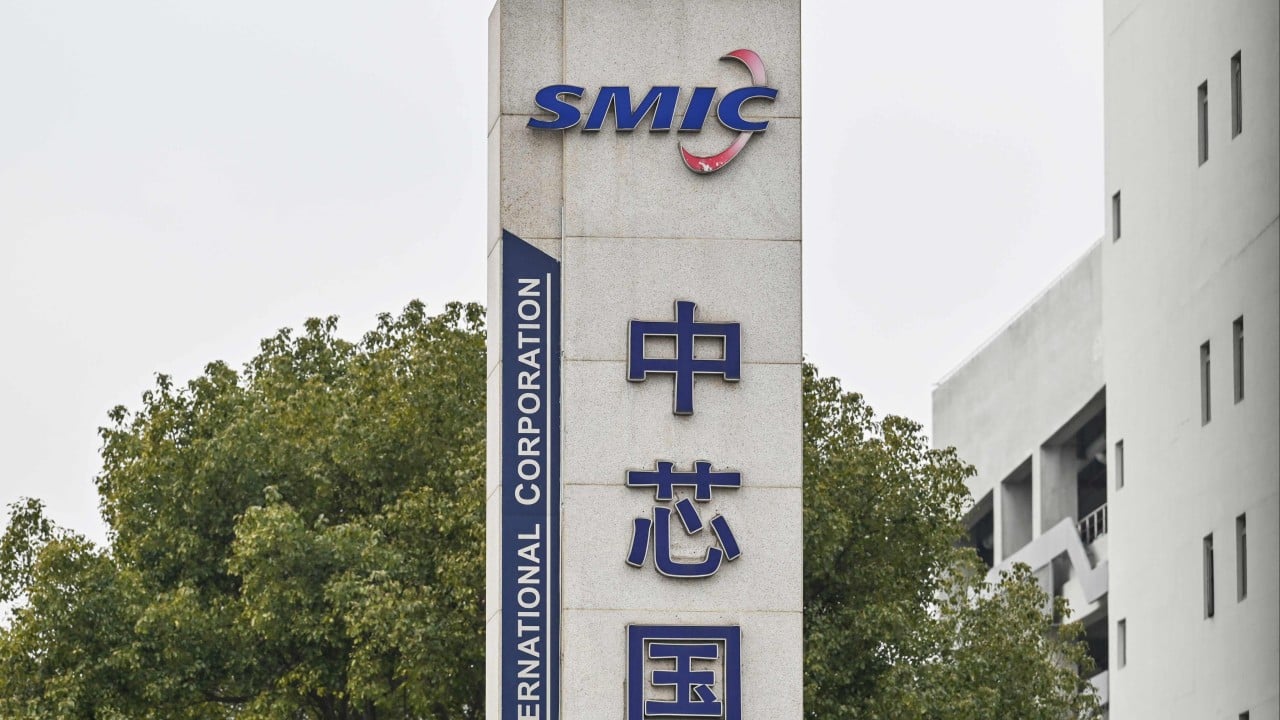
Semiconductor Manufacturing International Corp (SMIC), China’s largest contract chipmaker, said it expected first quarter revenue to remain flat as a decline in low-end orders partly offset surging demand for chips used in artificial intelligence applications.
SMIC reported on Tuesday that 2025 revenue increased 16.2 per cent from a year earlier to US$9.3 billion, while net profit surged 39 per cent to US$685.1 million. The growth was mainly due to increases in wafer shipment and utilisation rate, as well as changes in product mix, SMIC said.
However, profit for both the full year and the fourth quarter fell short of analyst estimates, and the company’s Hong Kong-listed shares dropped 3 per cent to HK$69.40 on Wednesday morning. Its Shanghai-listed stock fell 1.3 per cent to 114.70 yuan.
In an earnings call on Wednesday, Zhao Haijun, co-CEO of SMIC, said the company had seen orders from smartphone vendors and makers of other lower-end products “squeezed” by strong demand for AI chips, leading to the company’s flat revenue expectation.
However, he added that the company was “still well positioned in the current industry development cycle”, adding that SMIC would proactively address urgent market demand to drive revenue growth in 2026.
Shanghai-based SMIC, which anchors Beijing’s drive for semiconductor self-reliance, shipped a total of 9.7 million wafers in 2025, up 21 per cent from 8 million a year earlier. Capacity utilisation rose by 8 percentage points year on year to 93.5 per cent.


