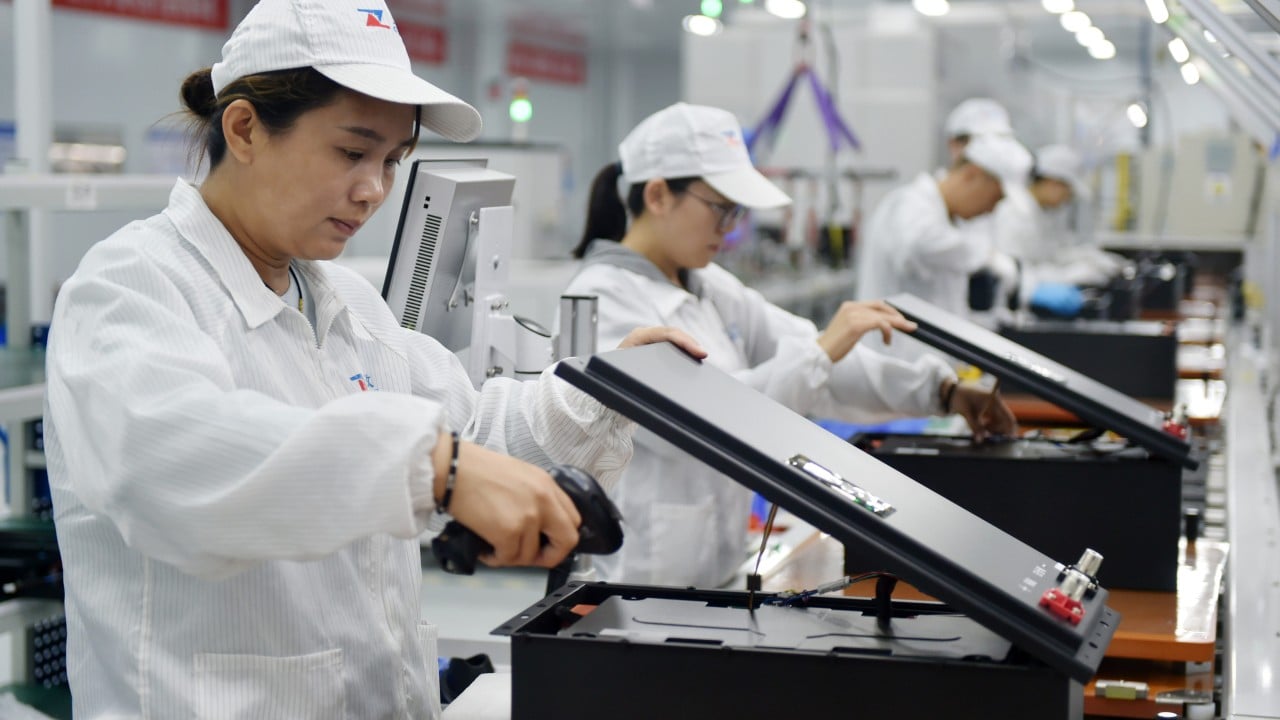
China’s EV momentum slows as pricier batteries steer drivers to hybrids


Rising battery costs and a cooling car market are likely to tilt China’s electric-vehicle race in favour of hybrids this year, as budget-conscious consumers turn away from fully electric models, analysts say.

Material cost inflation is expected to slow momentum for battery-electric vehicles (BEVs), allowing plug-in hybrids to regain market share after years of rapid electrification in the world’s largest car market.

“A loss of pure electric car sales can be expected this year due to consumers’ cost concerns,” said Tian Maowei, a sales manager at Shanghai-based Yiyou Auto Service. “It will be a short-term hiccup for the country’s EV market because, over the past two years, we have seen more Chinese drivers opt for pure electric cars.”

Electric vehicles encompass both BEVs and plug-in hybrid electric vehicles (PHEVs), while extended-range electric vehicles (EREVs) also fall within the hybrid category, pairing a battery with a small internal combustion engine to generate additional power.

Although BEVs are widely viewed as the long-term direction of low-emissions transport, higher battery costs are widening the price gap with hybrids. Analysts estimate BEVs could be up to 20 per cent more expensive than comparable PHEVs.

Lithium price pressures alone could add as much as 3,800 yuan (US$550) to the production cost of a midsize BEV, according to a recent UBS report, compared with about 2,000 yuan for a PHEV.

  • Related Posts

    BS VII explained: What India’s upcoming emission rules mean for you

    India’s BS VII norms propose to tighten pollution checks and bring EV batteries, brakes and tyres under greater scrutiny India’s next round of vehicle emission rules is taking shape. The…

    Continue reading
    Who benefits from AI’s wealth? Anthropic sets aside 5% stake for public good

    Anthropic plans to dedicate 5 per cent of its shares to a public benefit fund, with potential support for non-profits and initiatives addressing AI-driven job disruption As artificial intelligence reshapes…

    Continue reading

    Leave a Reply

    Your email address will not be published. Required fields are marked *