China’s CATL, Nio deepen partnership to develop EV batteries with longer lifespans


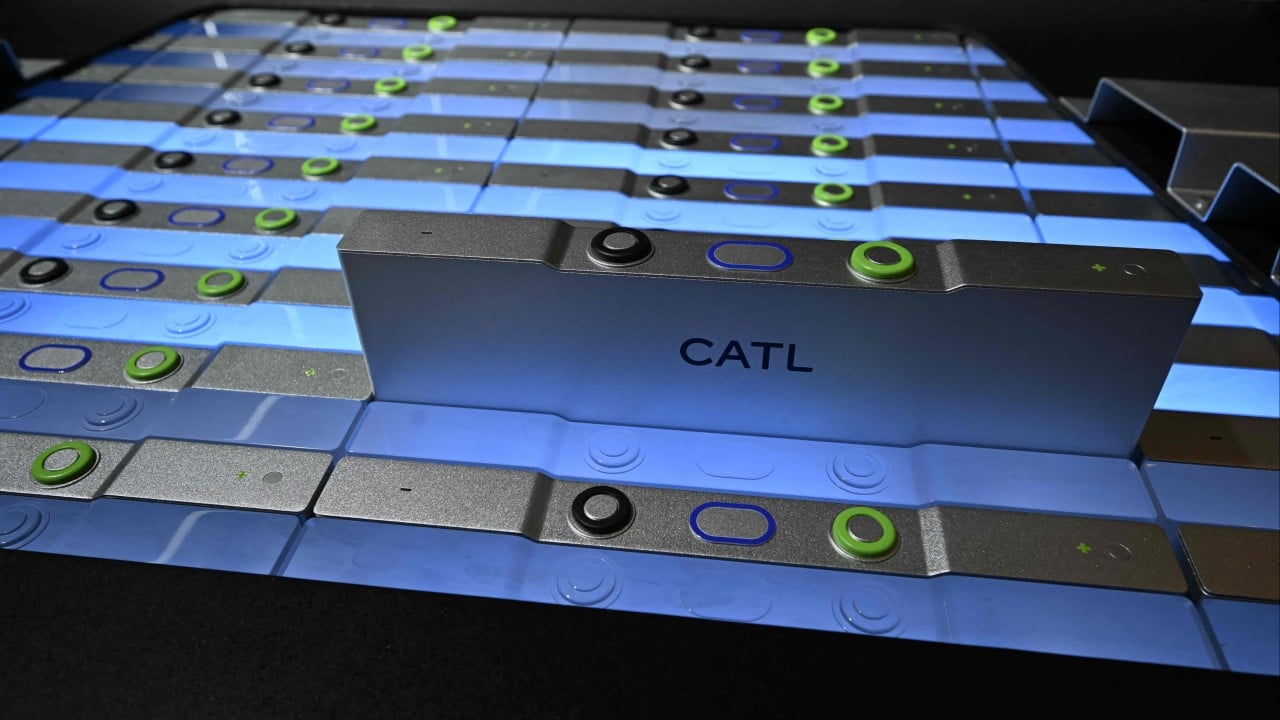
Contemporary Amperex Technol­ogy Ltd (CATL), the world’s largest maker of electric vehicle (EV) batteries, has intensified efforts to develop batteries with longer lifespans after deepening its partnership with carmaker Nio.

The two companies said they were committed to finding solutions to an issue that could cost millions of EV users trillions of yuan to replace expired batteries.

Under a five-year agreement, CATL and Nio would pursue new technologies aimed at extending the life cycle of EV batteries, they said in a statement on Tuesday. The signing represented “a higher level of synergy between the two companies across the whole ecosystem”.

CATL and Nio first announced plans to jointly develop longer-lifespan batteries in 2024.

“Batteries will become a big issue in eight to 10 years’ time,” William Li, CEO of Nio, told reporters in a media briefing. “We are under time pressure to find ways to tackle the problem.”

Li said owners of China’s existing 40 million electric cars would have to spend at least 60,000 yuan (US$8,585) each to buy new batteries after 2032 when the life cycle of current packs ended. That could amount to a total cost of as much as 3 trillion yuan, he added.

Li made the remarks as Nio, founded in 2014, reached another milestone as its 1 millionth car rolled off the production line on Tuesday. The Shanghai-based EV assembler, viewed as a Tesla challenger in mainland China, aimed to achieve annualised sales growth of 40 per cent to 50 per cent over the next decade, according to Li.

  • Related Posts

    InIndia’s debt-to-GDP ratio set to fall to 75.1% by 2031, defying global trend: EY

    India’s government debt ratio is projected to decline from 84.3% in 2025 to 75.1% by 2031, even as debt levels rise in major economies such as the US and China.…

    Continue reading
    India’s forex reserves fall to 16-week low of $700.90 billion as gold reserves plunge

    India’s foreign exchange reserves declined by $4.44 billion in the week ended November 20, with a sharp $4.09 billion drop in gold reserves accounting for nearly 92% of the overall…

    Continue reading

    Leave a Reply

    Your email address will not be published. Required fields are marked *