

 Media365
Chinese authorities issued a notice on Friday that tightened regulations on virtual currency trading, expanding Beijing’s crackdown on cryptocurrencies to the tokenisation of real world assets (RWA).
Onshore RWA tokenisation activities and related intermediary or technology services for securities issuance, financial operations or fundraising were banned, according to the notice, which added that exceptions may apply in specific cases if approved by authorities.
“Overseas entities and individuals may not, in any form, illegally provide RWA-tokenisation-related services to domestic entities,” said the notice, which was issued by eight government agencies led by the People’s Bank of China.
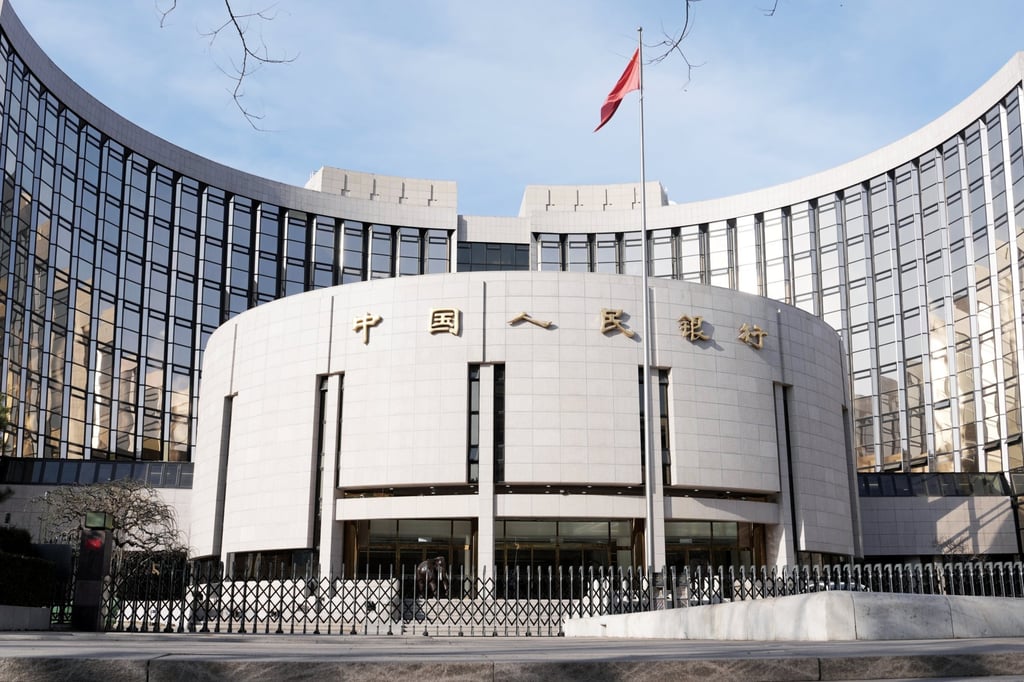
For offshore activities, Chinese entities conducting RWA tokenisation or quasi-asset securitisation overseas based on onshore rights and interests would be subject to strict supervision under the principle of “same business, same risk, same rules”, and cannot proceed without the required approvals from relevant authorities.
The new rules also require offshore subsidiaries of Chinese financial institutions, as well as intermediary and technology service providers involved in such cross-border activities, to strengthen compliance and risk controls, implement client suitability and anti-money laundering measures, and report or seek approval from regulators.
In addition, domestic entities, as well as offshore entities under their control, cannot issue virtual currencies overseas, without approvals from relevant authorities.
The notice also said that no entities, either Chinese or foreign, can issue yuan-pegged offshore stablecoins without approval.


