Hong Kong stocks drop by most since November, led by mining, telecoms


Hong Kong stocks fell on Monday, mirroring Wall Street’s retreat, as risk sentiment evaporated after a choppy end to last week that also dragged down precious metals.

The Hang Seng Index declined 2.2 per cent to 26,775.57 at the close of trading, the biggest drop since November 21. It added to a 2.1 per cent loss recorded in the previous session. The Hang Seng Tech Index dropped 3.4 per cent. On the mainland, the CSI 300 Index lost 2.1 per cent and the Shanghai Composite Index fell 2.5 per cent.

Metals miners sank after the Shanghai Gold Exchange raised margin requirements and adjusted daily price limits for silver deferred contracts. Zijin Mining slumped 5.6 per cent to HK$39.56, and aluminium producer China Hongqiao Group fell 3.5 per cent to HK$34.86.

Tencent Holdings slipped 1.2 per cent to HK$598.50 after launching a 1 billion yuan (US$144 million) red-envelope campaign for its AI application Yuanbao on Sunday. Electric-vehicle maker BYD fell 6.9 per cent to HK$91 after reporting a 30 per cent drop in January sales.

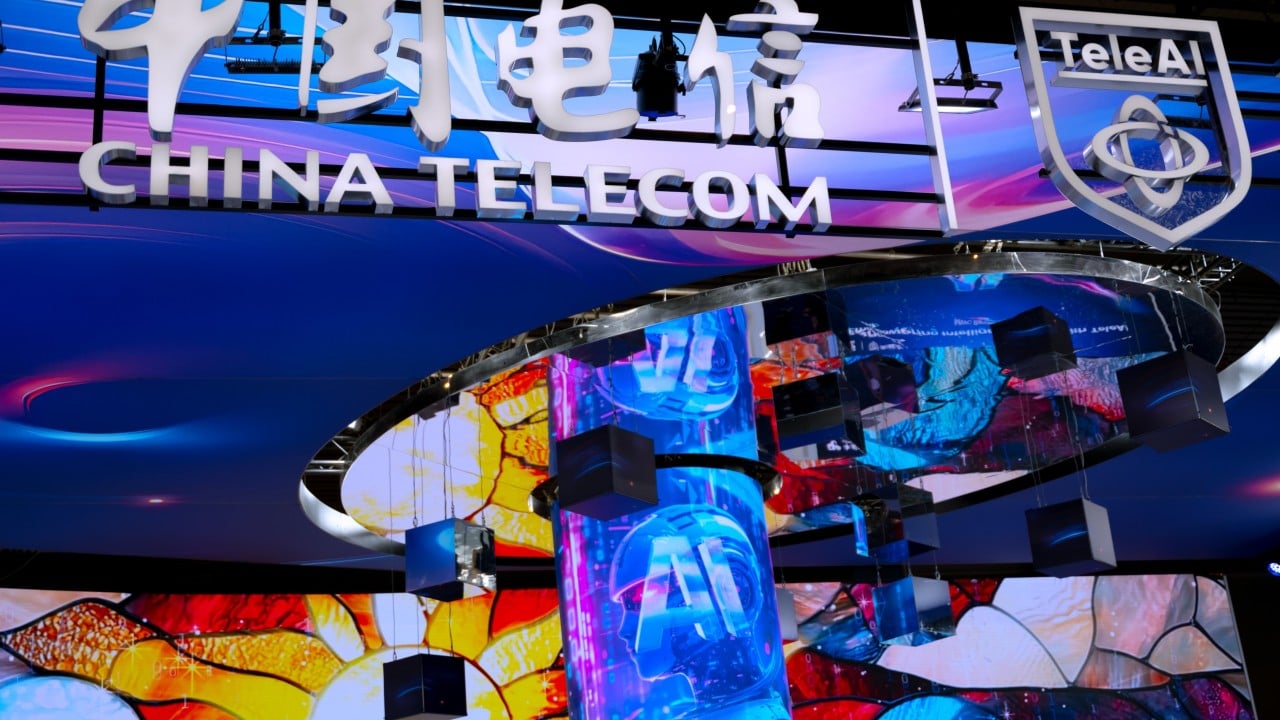
Telecommunications firms dropped after Chinese authorities raised the value-added tax rate on mobile data, messaging and broadband services to 9 per cent from 6 per cent, denting profit expectations. China Unicom Hong Kong slumped 6.3 per cent to HK$7.45, and China Telecom declined 5 per cent to HK$5.11, and China Mobile lost 2.3 per cent to HK$78.

Limiting losses, blind-box toymaker Pop Mart International rose 1.3 per cent to HK$226.40 after it announced major expansion plans including setting up its European headquarters in London. Casino operator Sands China climbed 4.1 per cent to HK$17.72, and peer Galaxy Entertainment Group added 1.6 per cent to HK$40.42.
  • Related Posts

    Stablecoins, wealth platforms launched at Consensus 2026 amid tighter Beijing oversight

    As Consensus 2026 officially kicks off in Hong Kong this week, digital asset firms are rolling out product updates to coincide with one of the industry’s most significant events. Digital…

    Continue reading
    Capital injection: China backs AI drug makers in self-reliance drive

    Hangzhou-based METiS TechBio, founded in 2020, raised 400 million yuan (US$57.9 million) in series D financing in August last year, led by the Beijing Medical and Health Industry Investment Fund…

    Continue reading

    Leave a Reply

    Your email address will not be published. Required fields are marked *