Media365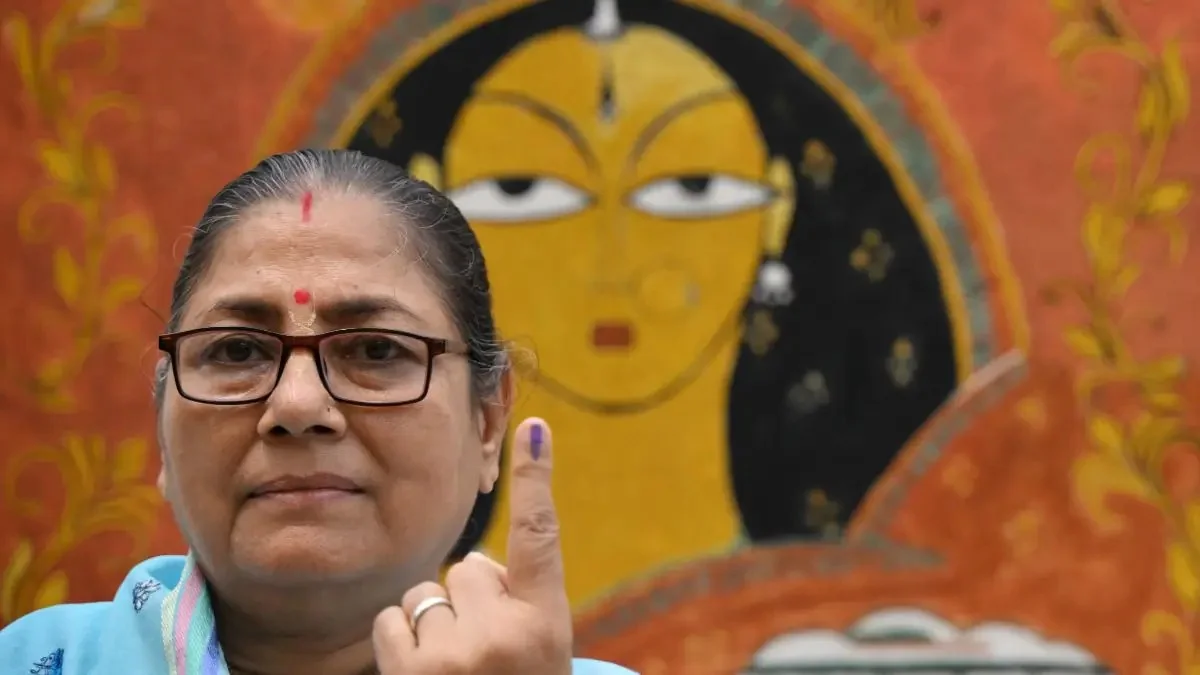
West Bengal has recorded the highest voter turnout in two phases of polling since Independence, reaching nearly 93 per cent. With more electors exercising their franchise, many exit polls have predicted an advantage for the opposition BJP in the eastern state as the TMC seeks to retain power
The elections in four states — Assam, West Bengal, Kerala and Tamil Nadu — and the Union Territory of Puducherry are over. The counting of votes will be carried out on Monday (May 4).
The final phase of voting was held on Wednesday (April 29) in West Bengal, which is witnessing a high-stakes battle between the ruling Trinamool Congress (TMC) and the opposition Bharatiya Janata Party (BJP). The eastern state has recorded the highest voter turnout in both phases since Independence, as per the Election Commission of India (ECI).
Does this mean an upset for Chief Minister Mamata Banerjee?
We take a look.
Bengal’s record voter turnout in decades
West Bengal saw a record voter turnout of 92.65 per cent in the second and final phase of polling yesterday. Of the total 294 Assembly seats, voting was held in 142 seats spread across seven districts in south Bengal.
The first phase of polling, conducted on April 23, also recorded a high voter turnout of 93.19 per cent.
With this, the total turnout in both phases of the West Bengal Assembly elections touched nearly 93 per cent, the highest rate of polling in the state since Independence, according to the EC.
“Highest ever percentage of polling in West Bengal in both Phase I and II since Independence. Chunav ka Parv, Paschim Bengal ka Garv (The festival of democracy, the pride of West Bengal),” Chief Election Commissioner (CEC) Gyanesh Kumar said.
What explains record voter turnout in Bengal?
The EC’s
Special Intensive Revision (SIR) of electoral rolls played a big role in the record voter turnout in West Bengal during these elections.
The exercise resulted in the deletion of 91 lakh names from the state’s rolls, with the overall electorate falling by 11.63 per cent. These include the names of around 27 lakh people whose appeals remain pending before tribunals.
Of these, only 139 were added back to the electoral rolls by the tribunals, while the remaining were not allowed to vote in these elections despite having cast their ballots in the past.
This time, the number of valid electors for the Bengal Assembly polls was 6.81 crore.
As the denominator reduced, the voter turnout was expected to be higher this time.
In 2021, about 81.56 per cent of Bengal’s electorate had turned up to cast their ballots.
Is record voter turnout bad news for TMC?
Both the TMC and the BJP have taken heart from the record voter turnout. West Bengal CM Mamata Banerjee has predicted a two-thirds majority for her TMC party, which has been ruling the state for 15 years.
Prime Minister Narendra Modi has also expressed confidence that the BJP will form a government in Bengal for the first time. Citing the example of the second phase of elections in the eastern state, Modi, while inaugurating the Ganga Expressway in Uttar Pradesh’s Hardoi, said that polling was conducted in an atmosphere “devoid of fear” and praised voters for their “awareness of democratic rights.”
CM Banerjee, the TMC candidate from Bhabanipur, has accused the central forces deployed in the state for elections, and EC observers of working at the behest of the BJP.
Most exit polls released last evening have given an
edge to the BJP over the TMC in Bengal. Higher voter turnout is often perceived as a mandate against the ruling party, as voters are believed to reach polling booths in large numbers to exercise their franchise, signalling political upheaval.
In the 2006 West Bengal Assembly elections, with a voter turnout of over 81 per cent, the Left retained power.
By 2011, the figure jumped to 84.33 per cent and the Left lost power. The TMC formed the government at the time and has remained in power since.
The TMC has tried to portray the record voter turnout as electors’ opposition to the SIR “conspiracy”.
It said in a statement after the first phase of polling: “Despite the Election Commission deleting 91 lakh names through SIR, Bengal has delivered a record voter turnout. Why? Because the people of Bengal know this could be their last real chance to secure their future. They see the NRC [National Register of Citizens] and delimitation threat staring them in the face, and they have voted with full force to smash every future conspiracy of BJP.”
#ExitProjections | S.I.R deletions and its impact on the outcome. CNN-News18 goes down to each constituency to understand the impact. Advantage for BJP or TMC… This explanation makes it very clear.@GVLNRAO, BJP, @nalinmehta, MoneyControl, @politicalbaaba, Votevibe,… pic.twitter.com/PgSGCIrgSN
— News18 (@CNNnews18) April 29, 2026
The TMC vehemently opposed SIR since it was announced by the EC in June last year. The BJP has hit back at Banerjee’s party over the criticism, alleging that her government has been protecting infiltrators who were now being deleted from the electoral rolls.
As per the Election Commission data, more women voted in the polls in Bengal this time, 93.24 per cent of female voters as compared to 91.74 per cent of male voters in the two phases.
Did this electorate choose ‘Didi’ again, or will the lotus bloom in Bengal? Come May 4, and we will know the answer.
First Published:
April 30, 2026, 13:19 IST
End of Article