

 Media365
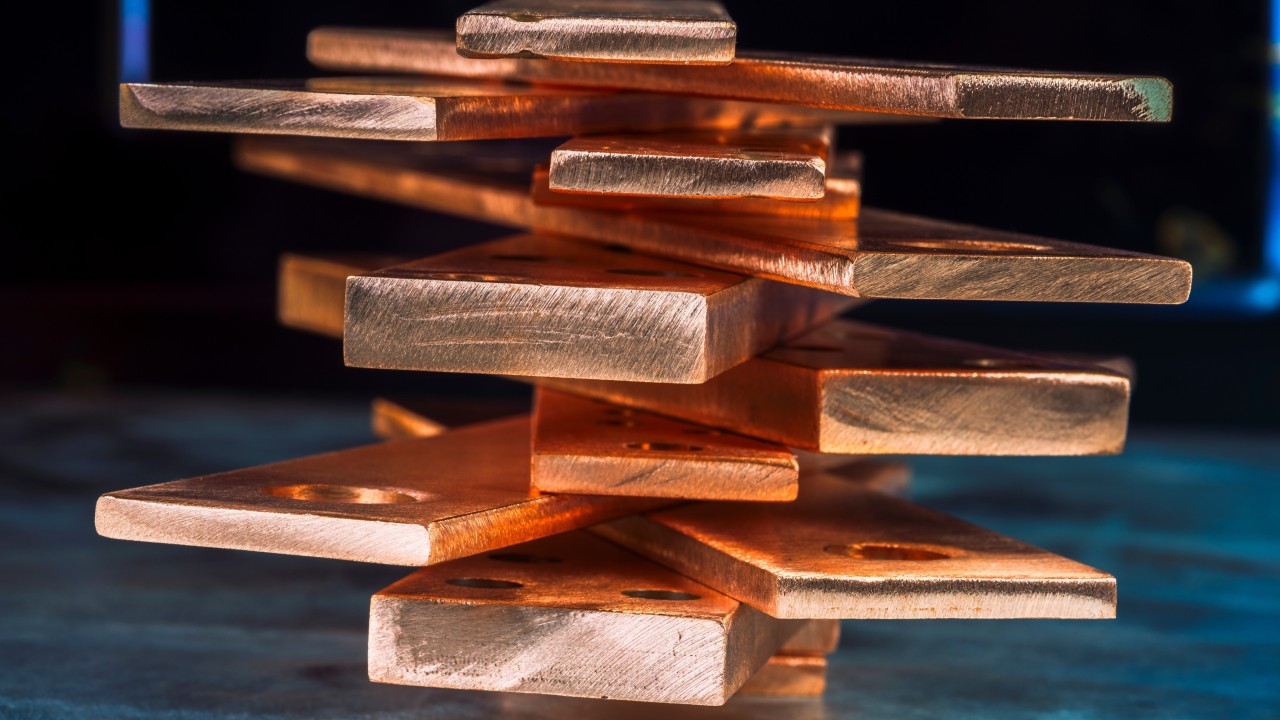
During the Chinese New Year holiday, Katty Mao struggled to find buyers for 500 “investment-grade” copper bars she bought in January, when soaring gold and silver prices made the 1kg chunks of polished metal seem like a promising investment.
“I know it was a bet,” said Mao, who paid 160 yuan (US$23) each for the bars. “But the fear of missing out outweighed [any concerns].”
Over the past two weeks, the advice Mao heard most often was to sell her bars to a scrap-metal dealer.
The resident of Shenzhen, in the southern province of Guangdong, was not the only one caught up in a brief speculative frenzy over the industrial metal.
In mid-January, 1kg copper bars appeared on counters in Shenzhen’s Shuibei, China’s largest retail market focused on jewellery and precious metals. The bars – engraved with Chinese characters to resemble gold and silver bars, but lacking the certificates true bullion would have – were priced between 180 yuan and 300 yuan. On an e-commerce platform, some merchants asked for more than 320 yuan per kilogram.
These prices represented a premium of as much as 200 per cent above the spot price of copper, which was around US$14,500 per tonne at the end of 2025.
The roller-coaster journey from humble industrial material to packaged investment product to waste took no longer than a month, driven by the anxiety of Chinese retail investors like Mao amid the historic global surge in gold and silver prices.


