

 Media365

A new report is sounding urgent alarms about Indian American women being “unscreened and overlooked” when it comes to breast cancer risk, a problem rooted in cultural norms, data gaps and evolving disease patterns that threaten a growing yet under-recognised health crisis in the United States.Breast cancer has long been one of the most common cancers affecting women in the US, accounting for about 16% of all new cancer diagnoses and being a leading cause of cancer death among women, according to KFF, a leading health policy organisation in the US. While overall advances in screening and treatment have driven mortality down significantly over the past several decades, these improvements have not been shared equally among all ethnic groups.For Asian Americans and Pacific Islanders (AAPI), the broad category that includes Indian Americans, recent data by Breast Cancer Research Foundation indicate that breast cancer incidence has been rising more quickly than in other groups, especially among women under 50. However, Indian American women, in particular, remain poorly tracked in health surveillance because census and health data often lump them together with other Asian subgroups, masking true risk patterns.
Why breast cancer risk is rising among Indian American women
Historically, breast cancer was considered primarily a disease affecting older women. However, national cancer registry data show that rates of new breast cancers have increased among younger Asian American women, especially those under 50, rising by more than 50% between 2000 and 2021 among some AAPI subgroups.
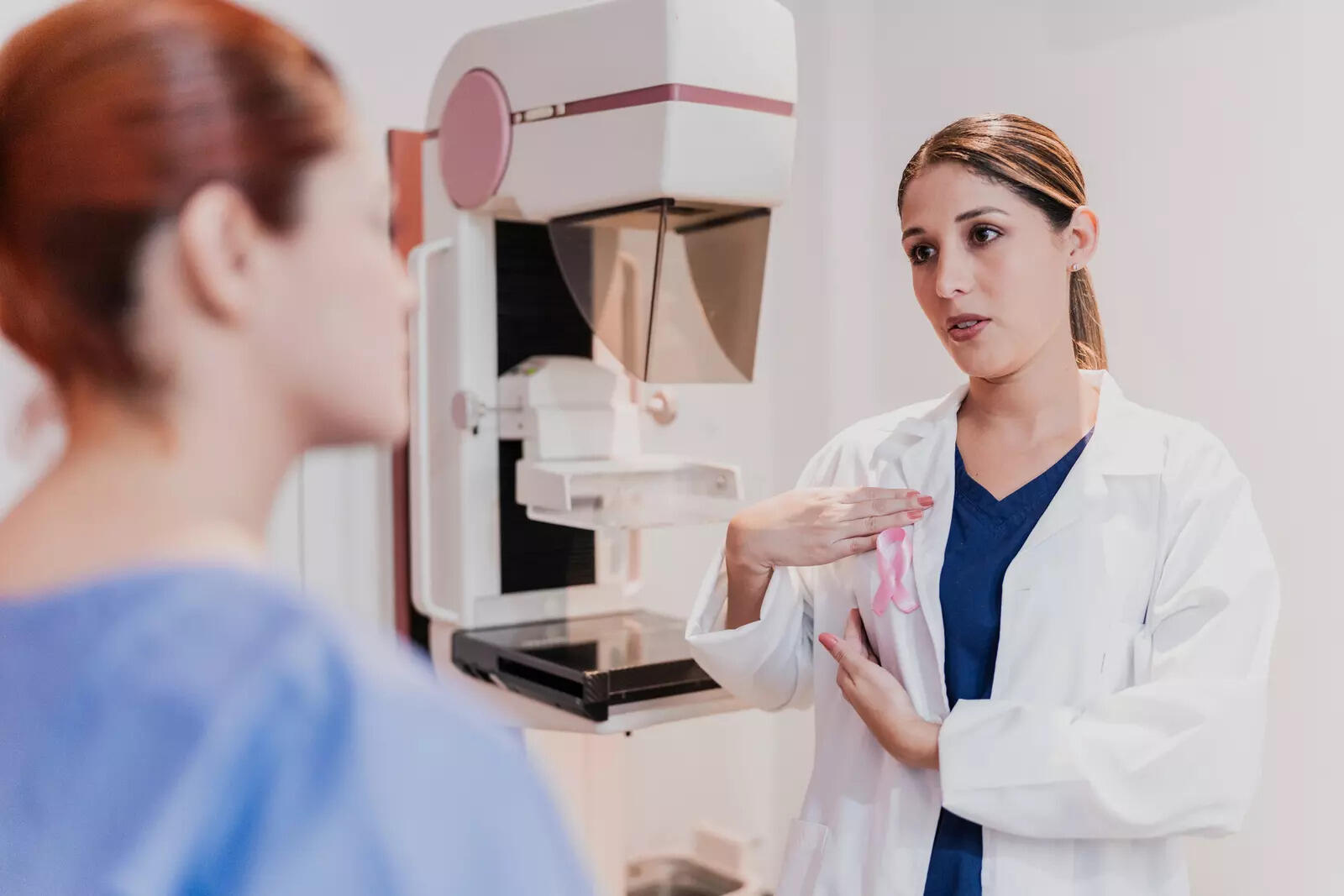
Indian American Women Breast Cancer Risk: Unscreened and Overlooked Health Crisis
For Indian American women specifically, this trend is complicated by a combination of biological, lifestyle and cultural factors.Research suggests that adopting Western diets, sedentary lifestyles, delayed childbirth, shorter durations of breastfeeding and higher overall estrogen exposure can increase breast cancer risk. These changes in reproductive and lifestyle patterns are becoming more common among Indian American women as they settle in the US, potentially boosting their long-term risk.AAPI women, including those of Indian descent, are more likely to have dense breast tissue, which not only increases cancer risk but also makes small tumours harder to detect on mammograms. Cultural norms around health care, language barriers, lack of awareness about preventive medicine and limited confidence in the U. health system can all reduce participation in regular screening. For many first-generation Indian American women, seeing a doctor only when symptoms appear, rather than for preventive care, remains common.Regular breast cancer screening, primarily through mammograms, dramatically improves early detection, enabling less invasive treatment and much higher survival rates. However, data show substantial disparities in screening participation across racial and ethnic groups. Nationwide, about 78.5% of US women aged 50–74 report having a recent mammogram, as per Behavioral Risk Factor Surveillance System (BRFSS) data for the US, sponsored by the Centers for Disease Control and Prevention.
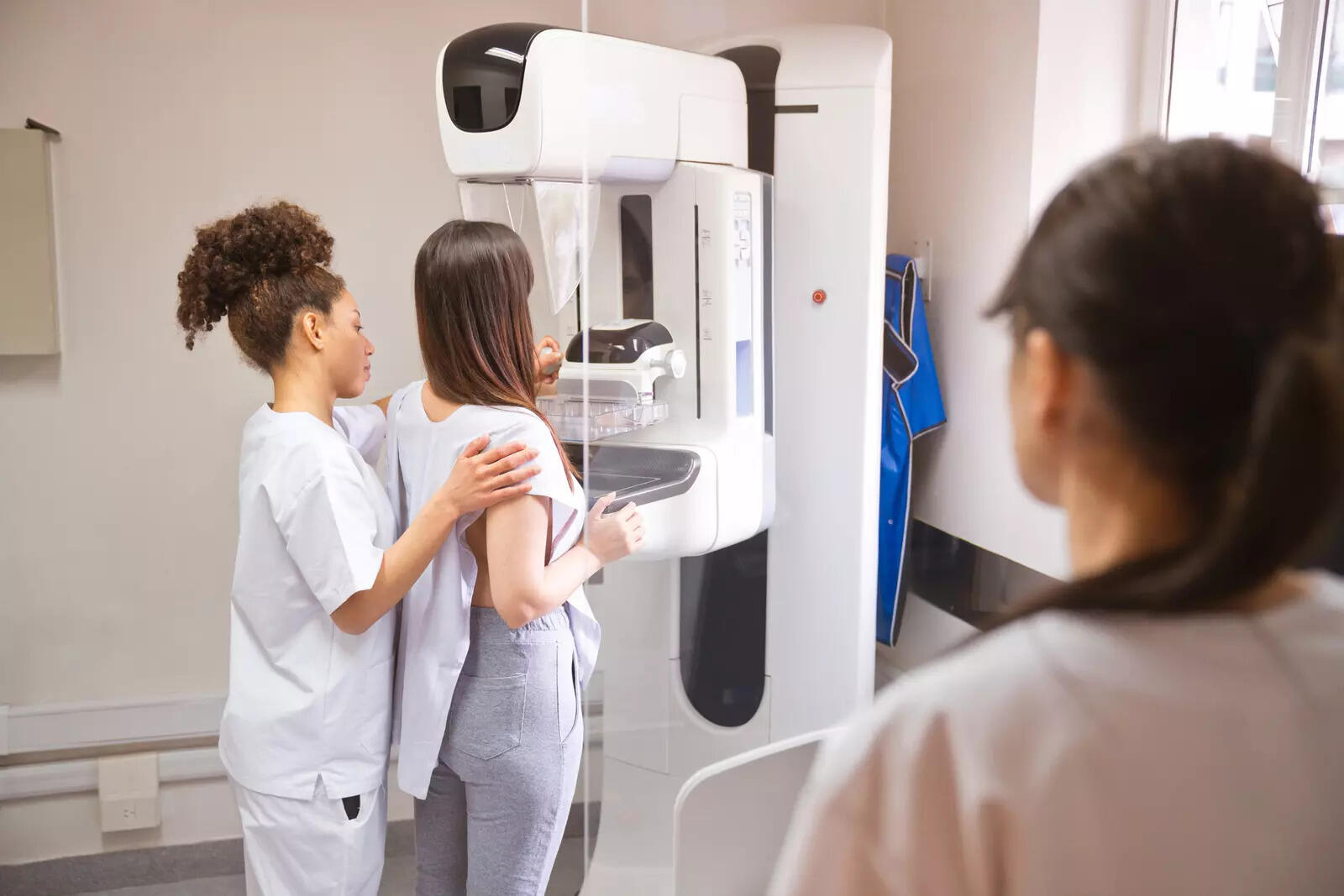
Silent Epidemic: Indian American Women Ignored in Breast Cancer Fight
Among specific minority populations like American Indian/Alaska Native women, screening rates can be significantly lower. For AAPI women, including Indian Americans, CDC data indicate some of the lowest mammography rates, with only about 54% reporting a mammogram in the past two years, below the national average and trailing other major groups.These gaps mean cancers are more likely to be diagnosed at later stages among unscreened women, reducing treatment options and survival prospects. Early detection is especially vital because breast cancer incidence is rising fastest among younger women, who may not yet be targeted by routine screening recommendations.
Why Indian American women are “overlooked”
One core issue is that Indian Americans often don’t appear separately in cancer statistics. In health reporting, they are usually counted under the broader Asian American umbrella, obscuring subgroup differences. This lack of disaggregated data makes it harder for public health agencies to identify risk patterns specifically affecting South Asian communities and to tailor screening and outreach efforts accordingly.Without clear data, Indian American women can be left out of targeted prevention campaigns, even as their risk rises. Cultural factors can influence how women perceive and respond to health information. In some Indian American communities, discussions about breast health remain rare, and preventive screenings may not be prioritized until symptoms emerge.Other barriers include:
- Language challenges that make understanding health recommendations more difficult.
- Modesty and stigma around discussing breast health, which may delay clinical exams.
- Distrust or unfamiliarity with preventive medical practices common in the US health system.
Addressing these cultural and knowledge barriers through community education, physician outreach and culturally sensitive messaging, is critical to closing the screening gap.
What can be done to prevent the risk of breast cancer among Indian American women
Early-stage breast cancer is far more treatable than advanced disease. When mammograms lead to early diagnosis, women often need less aggressive treatment and enjoy significantly higher survival rates. Moreover, breast cancer incidence among younger women is increasing, a trend seen across racial groups and particularly sharp among Asian Americans, reinforcing the need for awareness and regular screening before symptoms emerge.Public health agencies like the CDC and advocacy groups emphasize that mammography and regular clinical breast exams remain the cornerstone of early detection and mortality reduction for breast cancer. Experts recommend several strategies to tackle this overlooked risk:
- Better Data Collection – Segregating health data for Indian American women, instead of lumping them under broader Asian categories, would help identify true incidence, screening rates and outcomes.
- Community Outreach and Education – Culturally tailored education campaigns can raise awareness about breast cancer risk, the importance of regular screening, and how to navigate the US health system for preventive care.
- Accessible Screening Services – Mobile mammography units, insurance coverage for screening and local health partnerships can improve access for women who might otherwise delay or skip screenings.
- Normalising Conversations – Public figures, community leaders and health influencers in Indian American communities can help destigmatize breast health discussions and encourage proactive care.
Breast cancer rates are rising fastest among Asian American women in the US, especially under age 50, yet Indian American women remain poorly represented in data and underserved in screening outreach. Screening rates for mammograms are lower among some minority groups, including AAPI women, contributing to later diagnoses and poorer outcomes. Cultural barriers, lifestyle changes and lack of disaggregated data all contribute to Indian American women being “overlooked” despite increasing risk. Early detection saves lives and improving targeted screening and awareness could dramatically shift outcomes for Indian American women.


