Opinion | How the next China shock is shaping hearts and minds


For decades, China’s role in the global economy was easy to define. It made things cheaply and at astonishing scale. “Made in China” became shorthand for industrial capacity. It was often contentious, sometimes admired, sometimes feared.

In the years after China joined the World Trade Organization, its firms were deeply embedded in global supply chains, mostly at the lower end of the value chain. They produced for others. Western and Japanese companies controlled the premium segments and brand recognition, while Chinese companies handled the unglamorous manufacturing work.

That division is now eroding. In smartphones, electric vehicles (EVs) and digital services, Chinese firms are climbing the value chain, competing with Western companies and, in many sectors, leading globally. But the next China shock may take a different form.

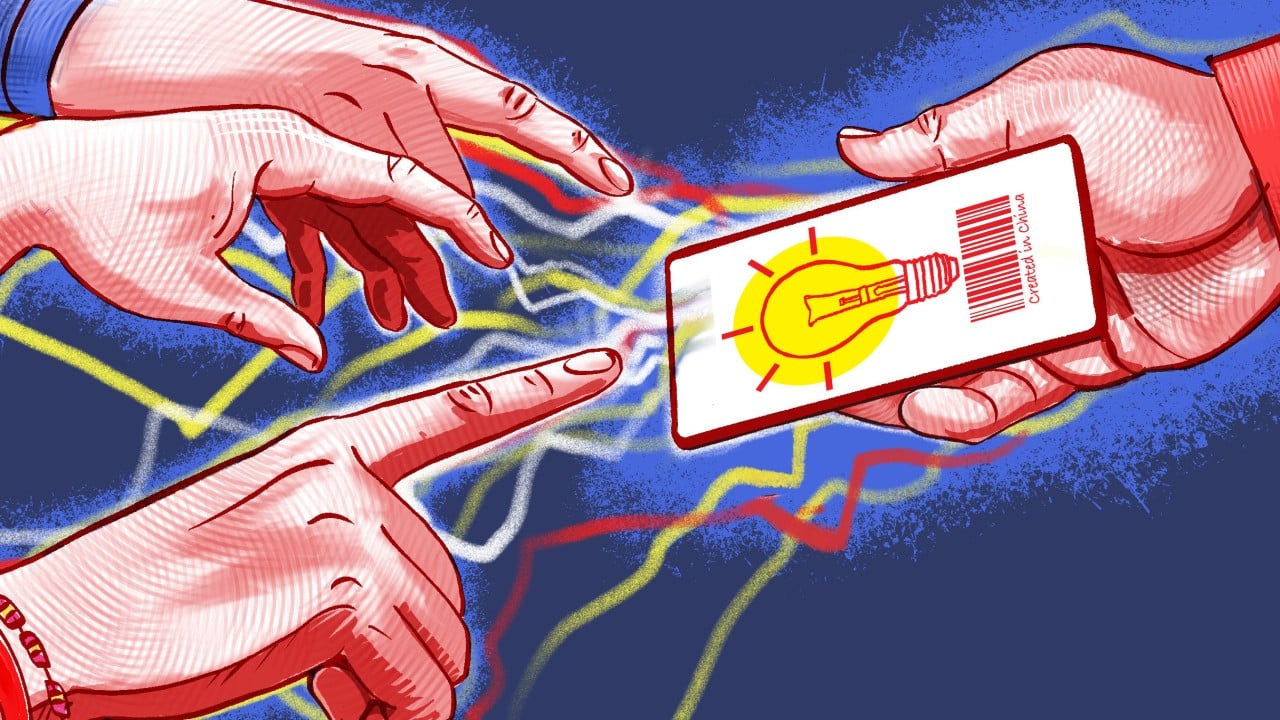
Call it China Shock 2.0 or 3.0, depending on how you count them, but China is no longer just manufacturing the world’s products. It is increasingly manufacturing the world’s preferences, too. Especially among younger consumers, Chinese brands are shaping tastes, aesthetics and the global image of China.

The “Chinamaxxing” trend, in which influencers showcase Chinese wellness and lifestyle as symbols of modern cool, is one visible sign. The global enthusiasm around the video game Black Myth: Wukong, the popularity of Labubu, the rise of micro dramas and the global spread of Chinese products such as boba tea chains all reflect a broader trend. The rise of “Created in China” across consumer products and cultural exports may, in the long term, prove more consequential than China’s advances in green tech or artificial intelligence.

Geopolitically, this shift matters. Competition between China and the West is no longer confined to trade and technology. It is increasingly playing out in the realm of cultural imagination. If tariffs and export controls are tools of hard power rivalry, brands are tools of soft power. The question is how to compete with China in the latter arena.

  • Related Posts

    From AI to aerospace: China meme rocket shares take off in race with US

    Chinese stock investors have found a new favourite that could possibly take over the artificial intelligence trade, scooping up so-called rocket shares on bets that commercial aerospace will become the…

    Continue reading
    HSBC cuts 10% of US debt team as restructuring gathers pace

    HSBC has cut about 10 per cent of its US-based debt capital markets team as part of an ongoing cost-cutting drive and broader restructuring announced in October 2024, according to…

    Continue reading

    Leave a Reply

    Your email address will not be published. Required fields are marked *