

 Media365
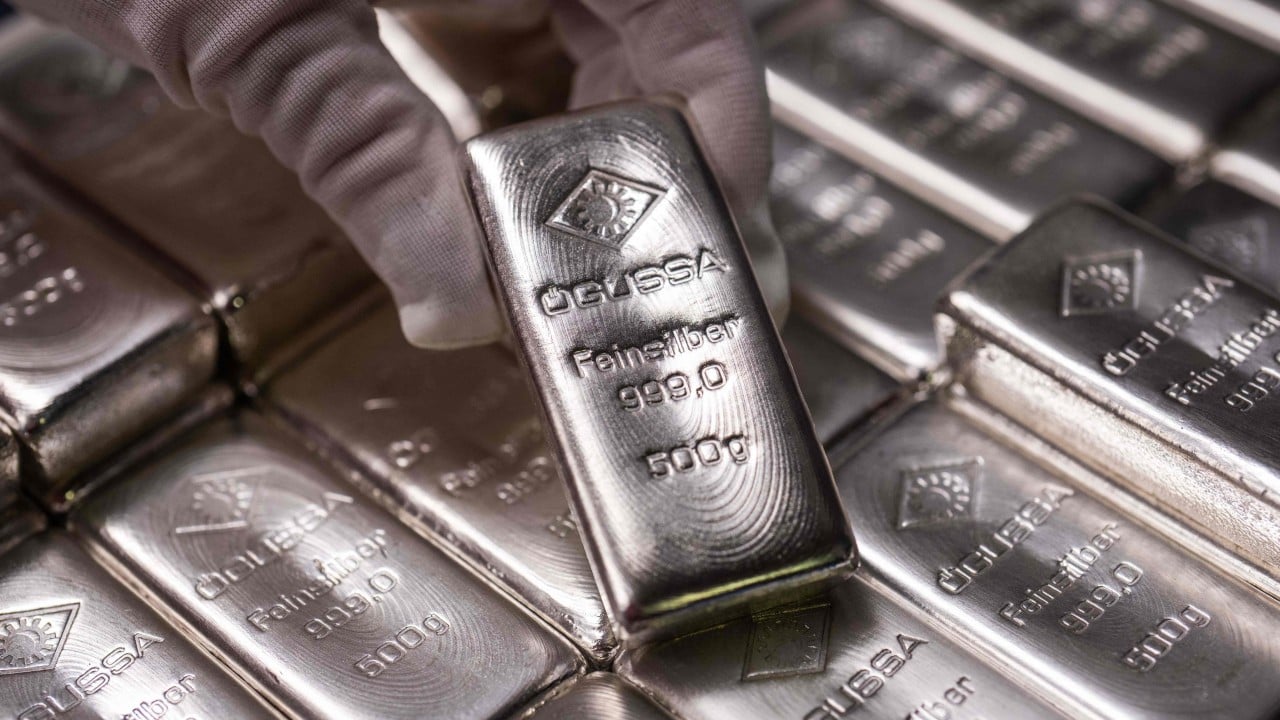
Thousands of Chinese retail investors spent the last day of the Year of the Snake on Monday filing complaints against UBS SDIC Fund Management for an overnight valuation change that caused steep losses for holders of its silver fund, even after the firm offered remedies.
More than 200,000 people lodged complaints against the operator of the country’s only silver fund after the controversial change on February 2, according to Xiaofei Bao, an online Chinese consumer protection platform.
The switch came amid a silver crash on January 30, when global prices plunged more than 30 per cent from around US$121 per ounce. Shanghai futures contracts, capped by a 17 per cent daily price limit, could not keep pace with the rout on overseas exchanges, expanding the gap between domestic and international prices.
After trading closed on February 2, UBS SDIC, a joint venture between Swiss bank UBS and a unit of state-owned SDIC Group, switched the valuation benchmark for its listed open-ended fund (LOF), called UBS SDIC Silver Futures Fund LOF, from Shanghai Futures Exchange settlement prices to international market prices without prior notice.
The move turned what investors thought would be a loss capped at about 17 per cent into a 31.5 per cent drop.
After setting up a task force on February 6 to mitigate the impact of the revaluation on retail investors, the fund manager unveiled a tiered compensation plan for investors who redeemed on February 2.


