

 Media365
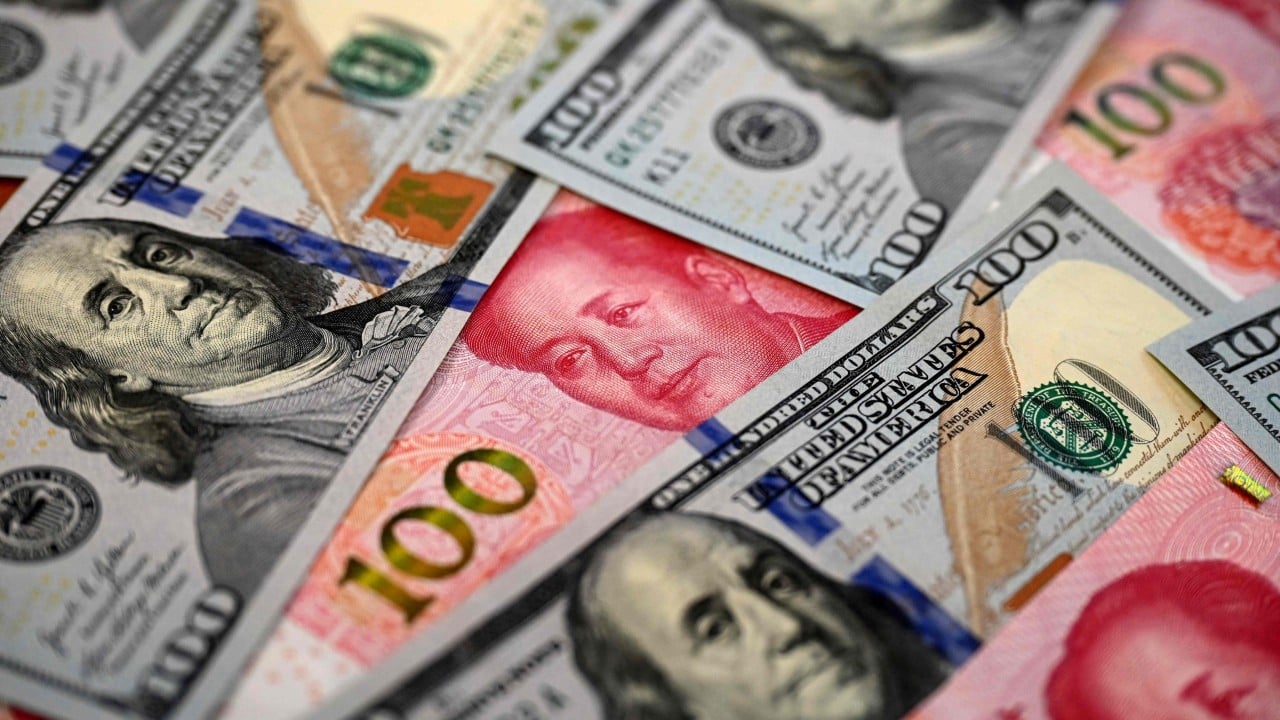
China’s central bank set the yuan’s daily fixing rate at its strongest level since mid-2023 on Wednesday, as the Chinese currency extended gains with investors increasingly rotating out of US dollar assets amid concerns over the Federal Reserve’s independence and US debt sustainability.
The People’s Bank of China set the yuan’s midpoint rate – also known as the daily fixing rate – at 6.9438 to the US dollar, which marked the strongest level in 33 months.
The move followed months of steady appreciation in the yuan, with its offshore rate trading at 6.909 per US dollar as of early afternoon on Wednesday.
Billionaire investor Ray Dalio, founder of the hedge fund Bridgewater Associates, has warned that the US is in stage five – or the “pre-breakdown phase” – of his six-stage “big cycle” that aims to chart the rise and fall of national and global orders.
“We are sort of at the brink but not over the brink,” he said in an interview with Tucker Carlson released on Tuesday. “It’s before a period of great disorder when there can be a monetary breaking down of the system.”
He warned of a looming debt crisis in which the Federal Reserve could be forced to monetise deficits by printing money, eroding the currency’s value.


