

 Media365
“Three Starbucks peach lattes for 84.90 yuan [US$12]”, a live streaming host tells viewers on Douyin, China’s popular short-video platform. “Three, two, one – the link is up. Don’t miss this deal, babes.”
As Starbucks’ planned sale of a majority stake in its China business to Boyu Capital, announced three months ago, awaits regulatory clearance, the US coffee chain has stepped up its push into China’s heated live streaming shopping race, using discounts to bring down the cost per cup.
The transaction is nearing completion, with China’s antitrust regulator ready to give its blessing any day now. On January 21, the State Administration for Market Regulation said that the deal qualified for a fast track review, typically reserved for buyouts that were unlikely to raise competition concerns.
If approved, the transaction would leave the Chinese private equity firm with a 60 per cent share of Starbucks’ more than 8,000 stores on the mainland, marking a major turnaround in the Western food and beverage chain’s course in its China operations.
“I have stopped going to Starbucks anyway,” is a common refrain among social media users on the RedNote platform, with prices cited as the main reason. “Just drink Luckin or Mixue instead,” users say, referring to the more affordable home-grown chains.
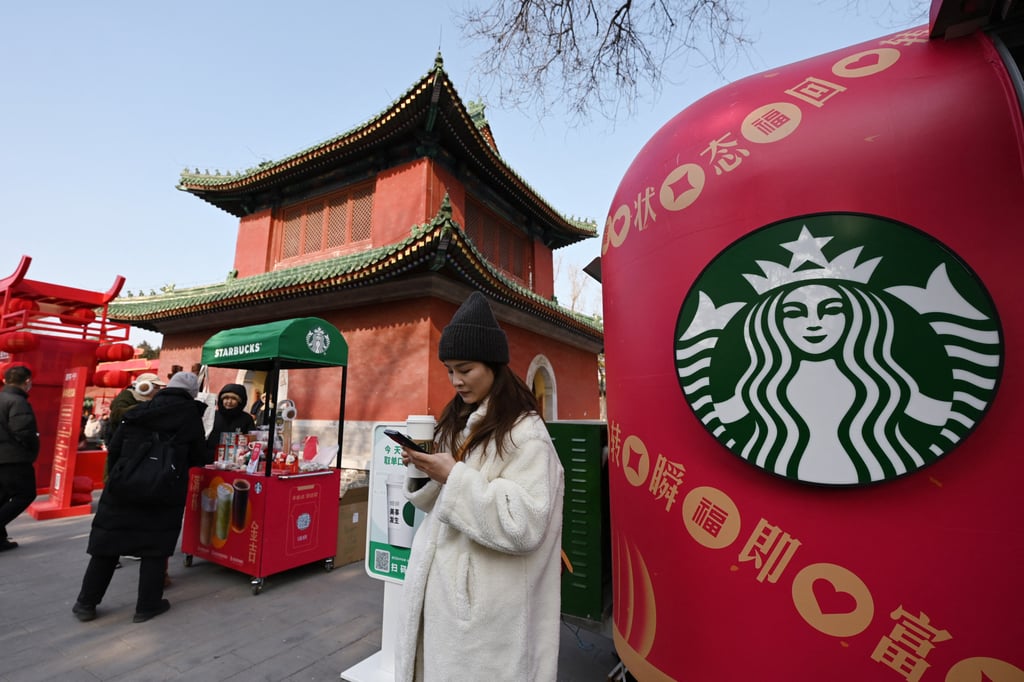
Since the Seattle-born coffee chain entered the mainland 26 years ago, the retail and economic landscape has completely transformed. Chinese consumers are a lot wealthier and more discerning, while it has become much harder to make them part with their money.


