

 Media365
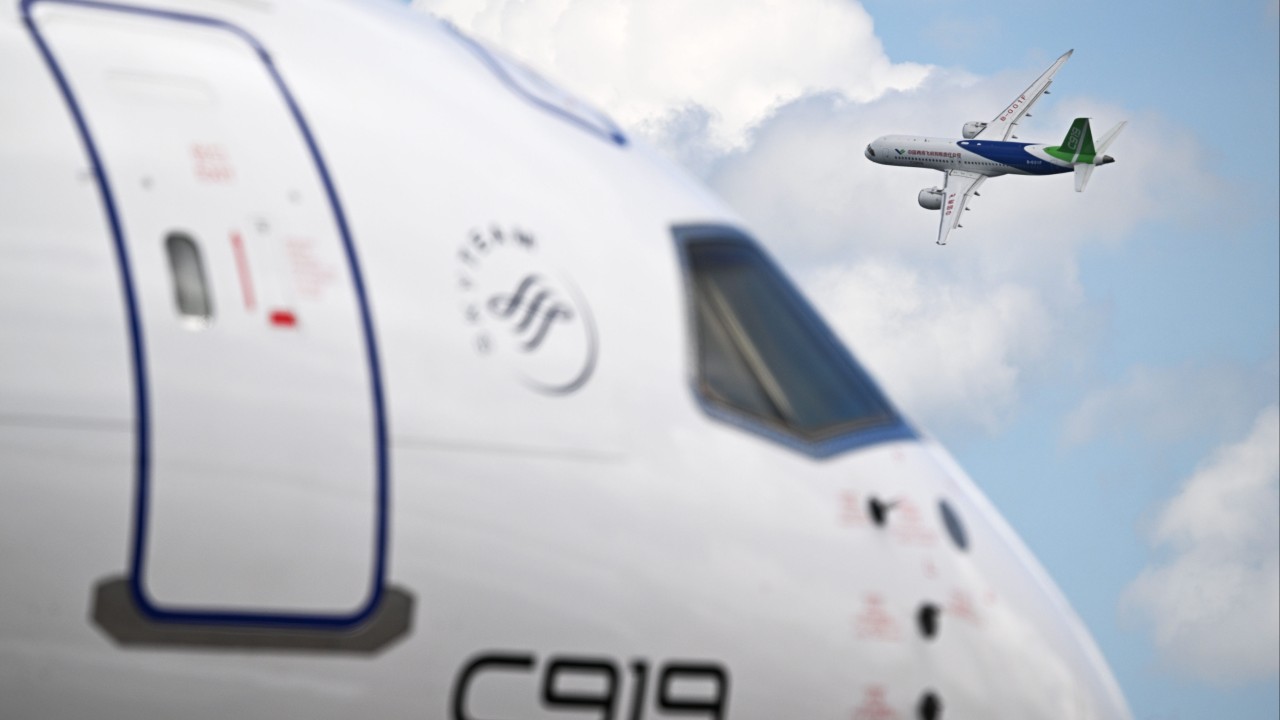
China’s civil aviation authority has floated a regulatory change that would allow its home-grown passenger jet, the C919, to use narrow runways typically found in smaller airports, a move that could help the plane expand its presence at home and break into the Southeast Asian market.
The Civil Aviation Administration of China announced on Friday that it had set “special conditions” for the C919 to use narrow runways based on the jet’s design features, releasing a draft proposal for a 10-working-day public comment period.
The C919 – made by the state-owned Commercial Aircraft Corporation of China (Comac) – was originally designed to be used on runways at least 45 metres (148 feet) across, which are standard in major airports.
The newly proposed plan is set to reduce the minimum width to 30 metres to “meet market demands”, the regulator said in a document that clarifies how to calculate a minimum width and lays out related safety requirements.
The Chinese jet, which can fit up to 192 seats, is closest to the Beijing 737 and Airbus A320 families of aircraft in terms of specifications. Those Airbus and Boeing planes are already certified for use on narrow runways.
The regulatory change would allow the C919 to “enter some markets dominated before by the Boeing 737 and Airbus A320”, said Li Hanming, an independent aviation analyst.


