

 Media365
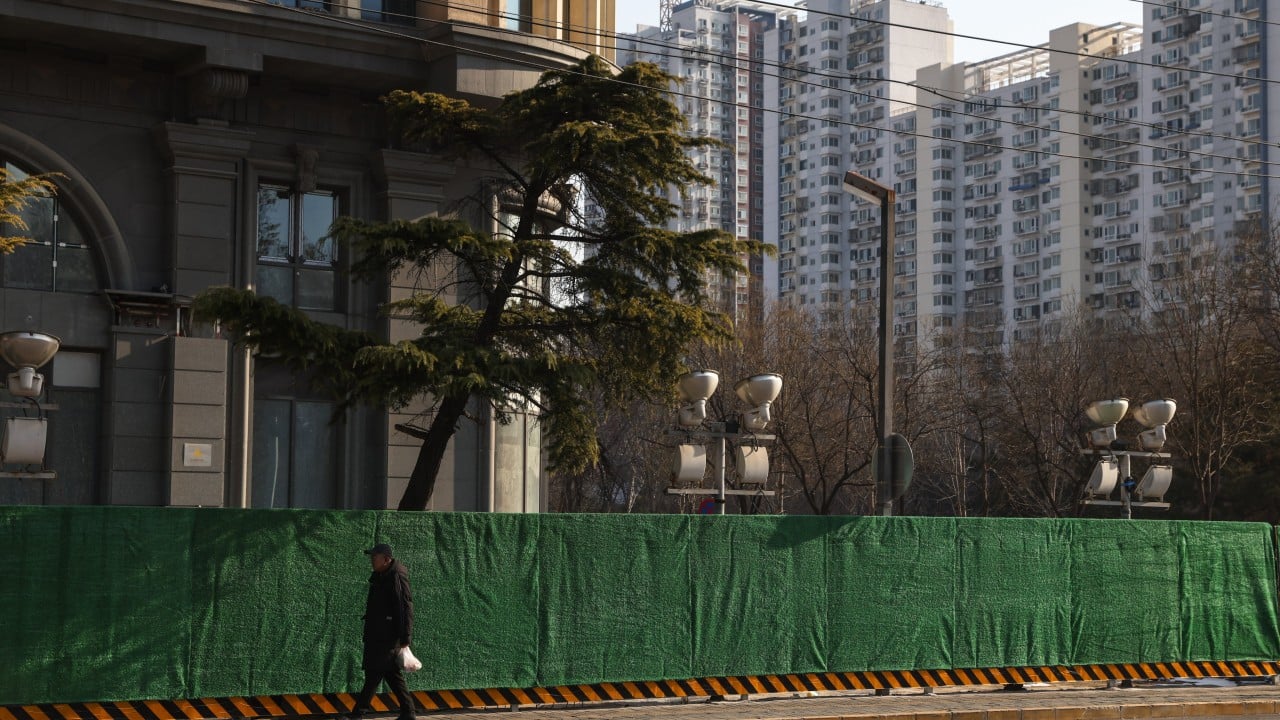
Amid sharp declines in property investment, housing sales and home prices last year, a further downturn of the significant sector may put more developers, workers, homebuyers and banks at risk.
In the first 11 months of 2025, new properties worth 7.5 trillion yuan (US$1.07 trillion), comprising units for dwelling and commercial use, were sold across mainland China, down 11.1 per cent from a year earlier, data from the National Bureau of Statistics (NBS) showed.
Home sales slumped 11.2 per cent year on year, the bureau said, without releasing the value of total transactions. This exceeded Fitch Ratings’ forecast of a 7 per cent year-on-year decline for 2025. Completion of new properties in the first 11 months fell 7.8 per cent from a year earlier to 787 million square metres (8.5 billion sq ft), the statistics showed.
“A ripple effect will spread to other industries if the real estate sector continues a downward spiral,” said Yin Ran, a property and angel investor in Shanghai. “Without strong home sales, millions of companies such as home appliance makers would struggle to keep their businesses afloat.”
The property sector and related industries, such as home appliances and construction materials, account for about a quarter of mainland economic output.


