

 Media365
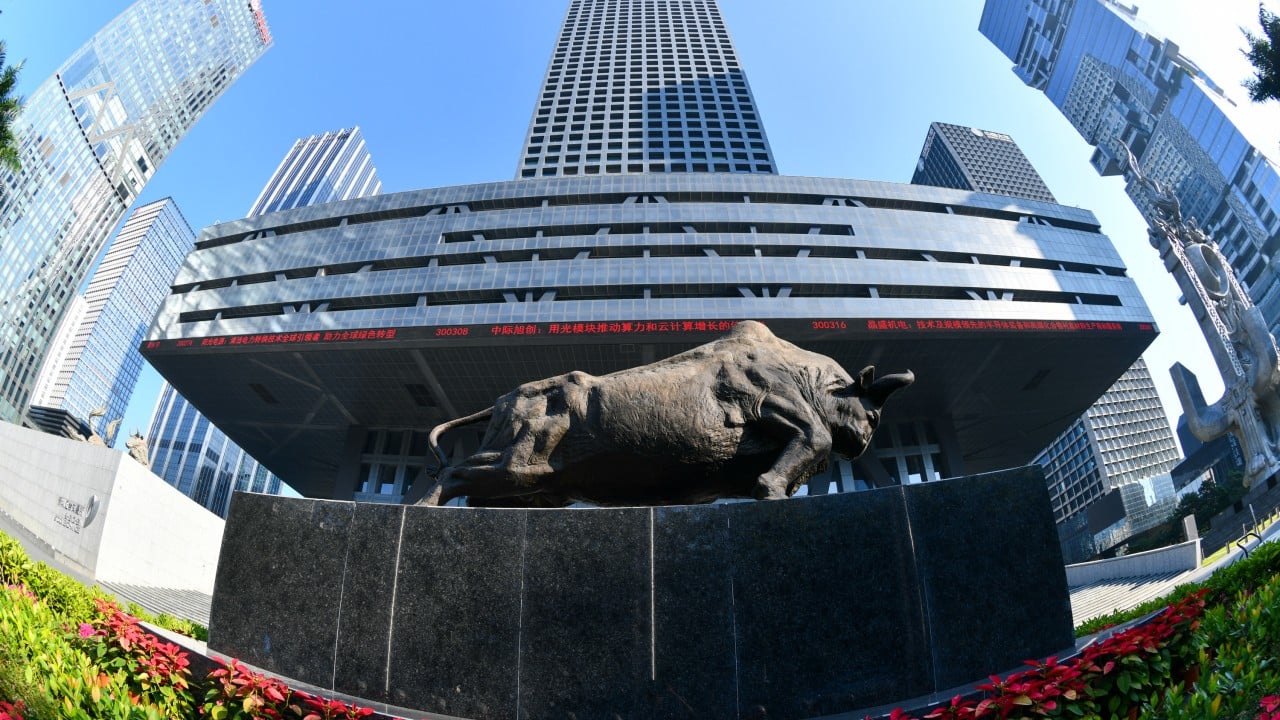
Initial public offerings (IPOs) in mainland China nearly doubled in 2025 from a year earlier after the securities regulator rolled back curbs on new listings and resumed approvals for pre-profit technology companies, in line with Beijing’s drive to replace imported tech products with home-grown alternatives.
A total of 115 companies raised a combined 128 billion yuan (US$18.3 billion) from IPOs on the Shanghai, Shenzhen and Beijing exchanges this year, according to Bloomberg data.
That eclipsed the 67.4 billion yuan in 2024, when the China Securities Regulatory Commission (CSRC) slowed down approvals of new offerings and tightened the scrutiny of applicants to bolster confidence in the stock market.
Several high-profile offerings followed the regulatory relaxation. Moore Threads Technology and MetaX Integrated Circuits – two Chinese graphics processing unit (GPU) developers seen as challengers to Nvidia – completed first-time stock sales in Shanghai.
The rebound in mainland China IPOs coincided with a listings boom in Hong Kong, where demand was revived by offerings of leading Chinese companies that have dominant positions in their industries.
“We saw a bunch of policies in 2025 that encouraged IPOs, and the pace of new share sales is expected to accelerate in 2026,” said Wang Zhengzhi, an analyst at Guotai Haitong Securities. “Further reforms will be pushed forward and that will boost the inclusiveness of the multilayer capital markets.”


